-
ChicagoImpart Encyclopedia of Art. "Feminism in Indian Art." June 13, 2023. https://imp-art.org/articles/feminism-in-indian-art/.
-
MLA"Feminism in Indian Art." Impart Encyclopedia of Art, Jun. 13, 2023, https://imp-art.org/articles/feminism-in-indian-art/.
-
HarvardImpart Encyclopedia of Art (2023) Feminism in Indian Art. Available at: https://imp-art.org/articles/feminism-in-indian-art/ (Accessed: 20 October 2026).
Strands of feminist reflection, inquiry, and representation have run through the course of Indian art since the twentieth century. With the turn towards feminist theory since the 1960s, artistic and cultural practices and themes not considered conventionally feminist have also been subjected to feminist inquiry. While there is debate around the origins of feminist consciousness in artistic expression, it is generally understood to have emerged in the modern period, from the nineteenth century onwards.
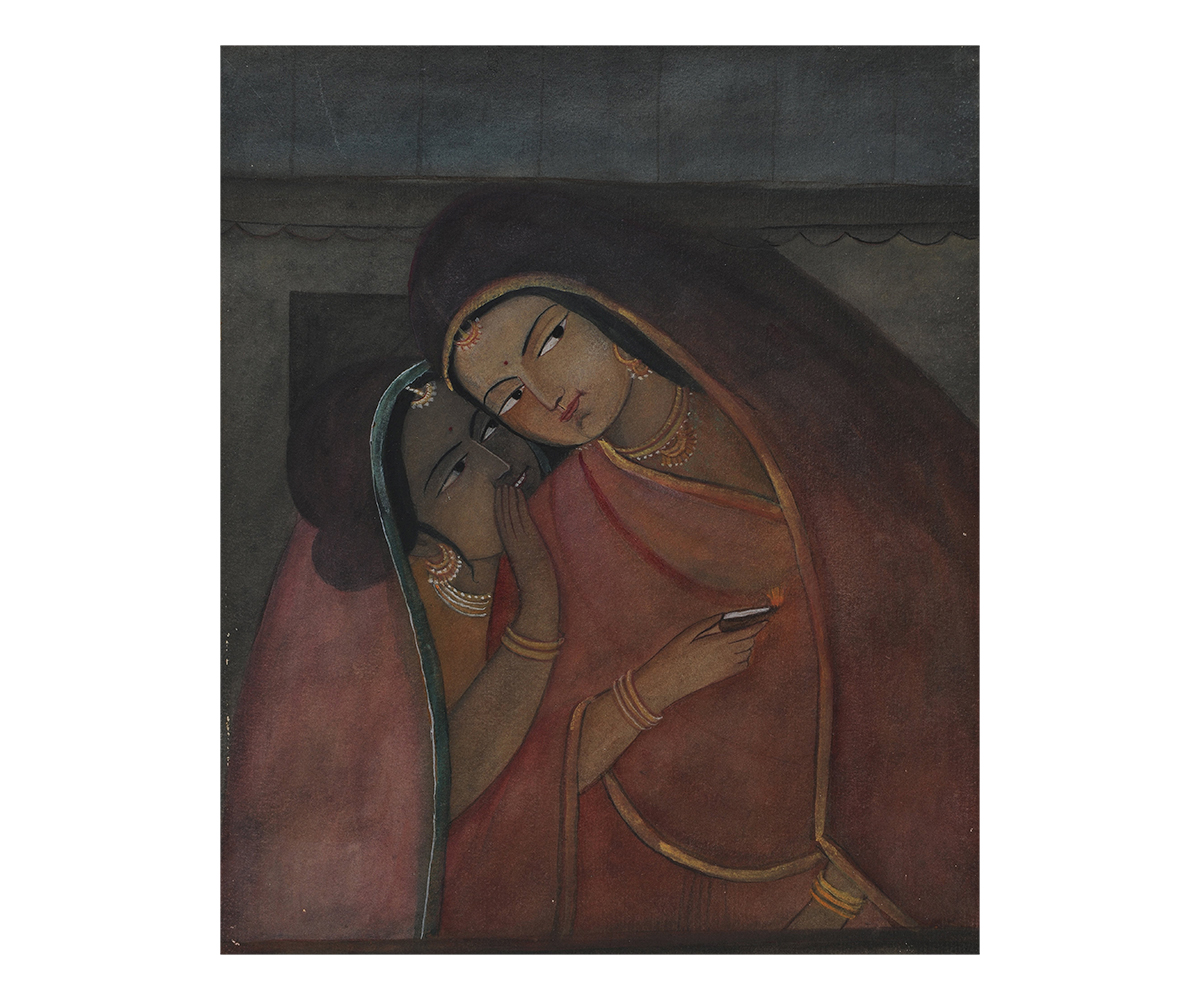
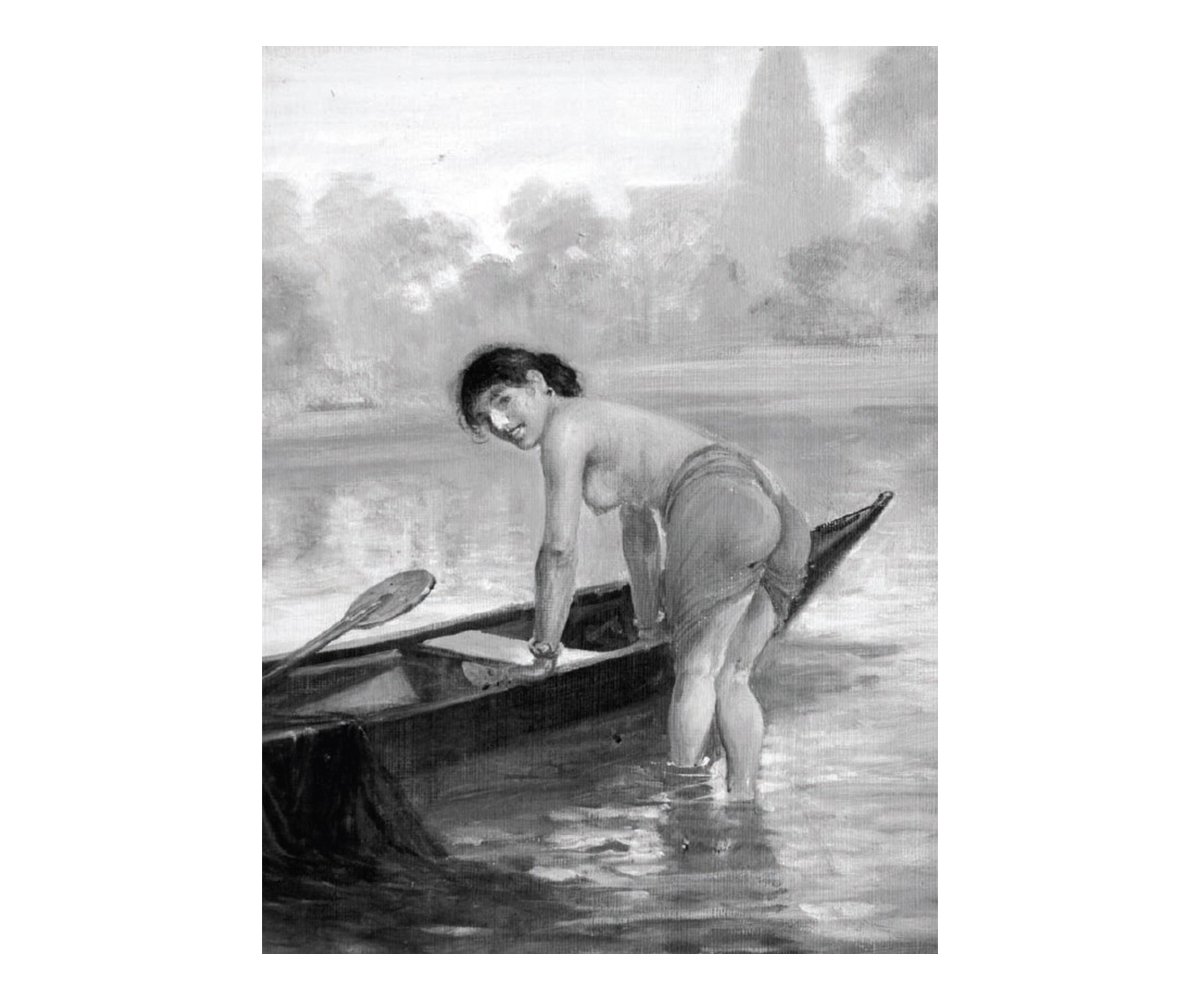
It is a recurring phenomenon in the history of women artists in the subcontinent that their careers are overlooked in favour of their more celebrated male partners or relatives. Mangalabai Thampuratti, the informal pupil of her brother Raja Ravi Varma, was one of the earliest female artists trained in the Western Academic Realist style of oil painting, but her life and career have received much less interest than those of Ravi Varma. While she produced portraits from her studio, she could not pursue art professionally owing to the social taboos that prevented women from entering public professions. Sunayani Devi was a painter who drew on the subcontinent’s mythology, pata painting and other folk traditions, in the current of the Bengal School, but remains one of the little-known members of the influential Tagore family.
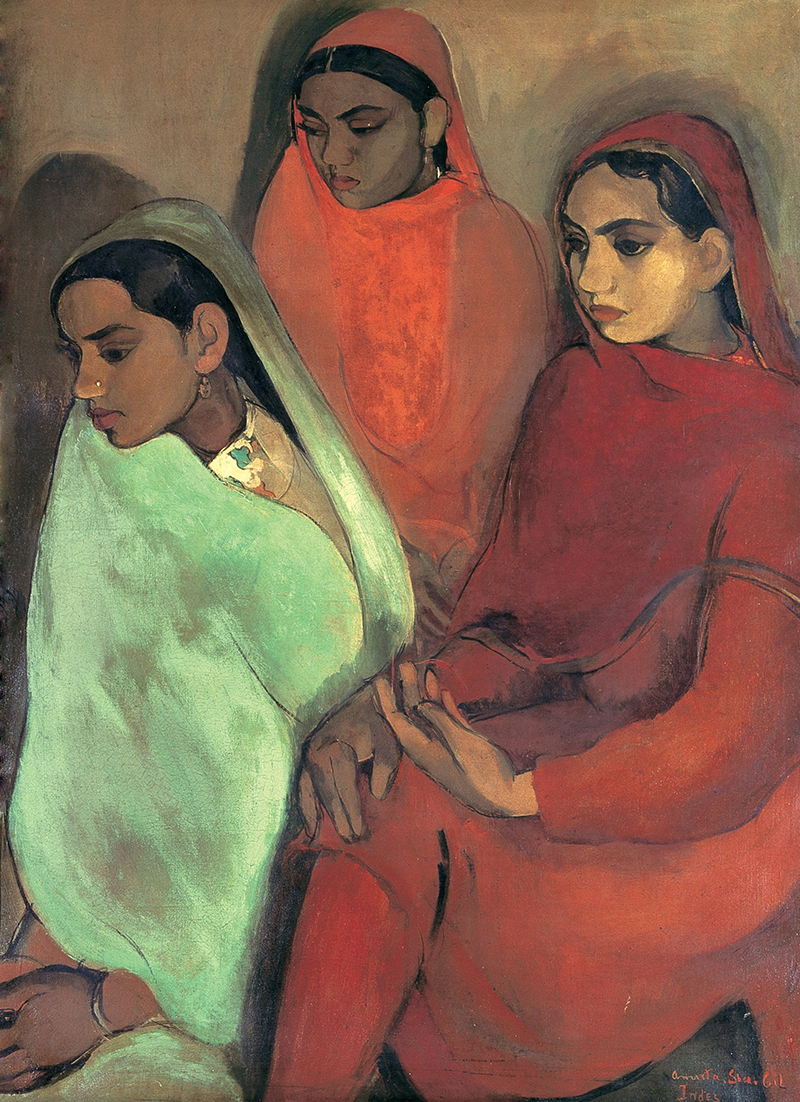
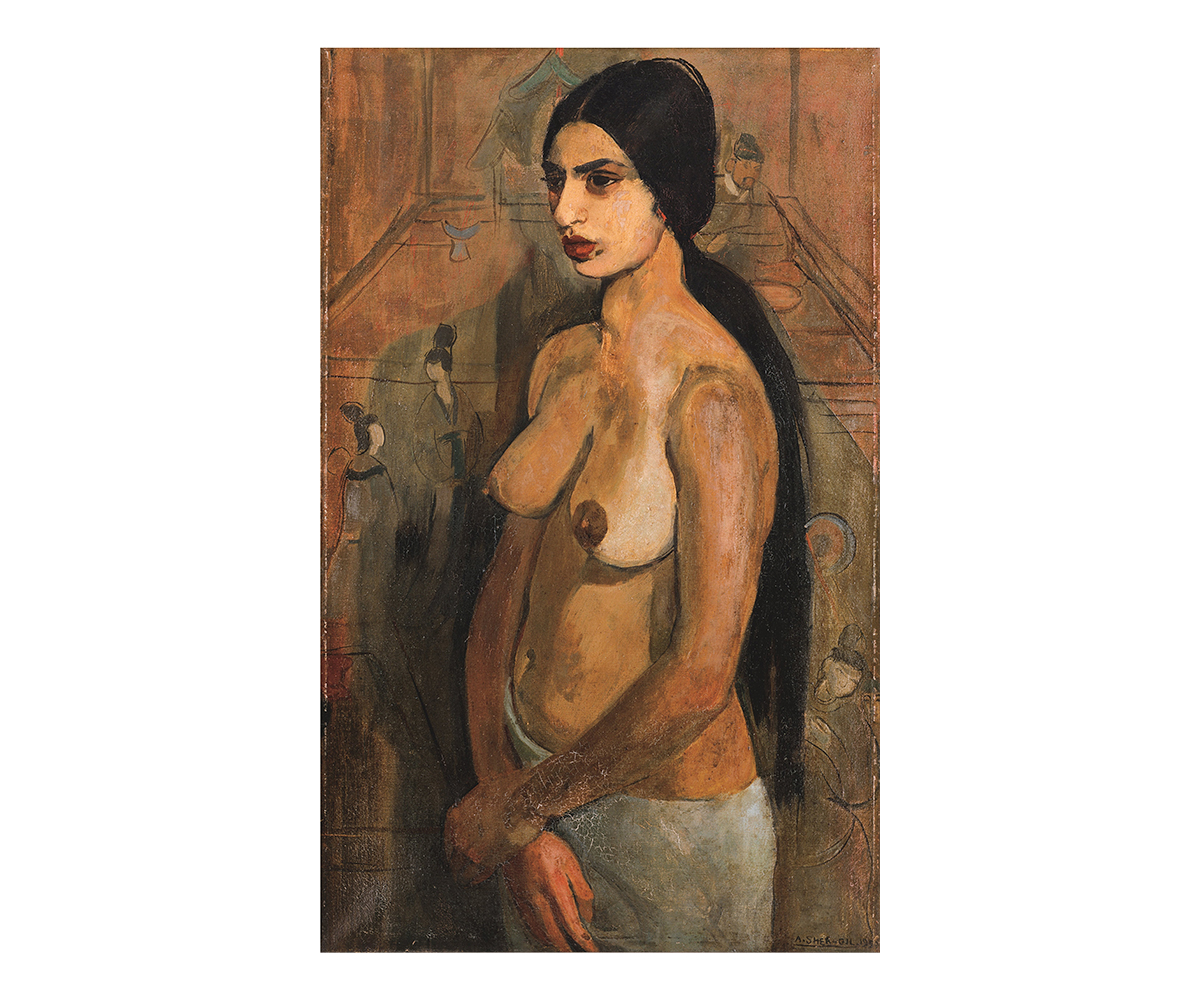
Artists such as Ambika Dhurandhar and Amrita Sher-Gil emerged as rare exceptions in this milieu, recognised for their work during the colonial period and the early years of Indian independence. Dhurandhar was a modernist painter and one of the first women to graduate from the Sir JJ School of Art, Mumbai. She participated in exhibitions and salons, and won a number of awards at competitions organised by art societies across India. She eventually became a Fellow of the Royal Society of Art, London. Sher-Gil, an Indo-Hungarian artist, is possibly the most celebrated woman artist of her time in the subcontinent. Trained in arts such as painting and music from an early age, she studied painting at the École des Beaux-Arts in Paris, and is remembered for introducing the sensibilities of European modernism to Indian art discourse. Her self-portraits challenged both the male gaze and the colonial gaze prevalent in the way women were depicted in art up to that point. Upon her return to India, Sher-Gil recomposed her style to take into account the visual language of Indian artistic traditions, and shifted from depictions of her own self and interior life to those of primarily rural women — at work, in confinement, and in seclusion.
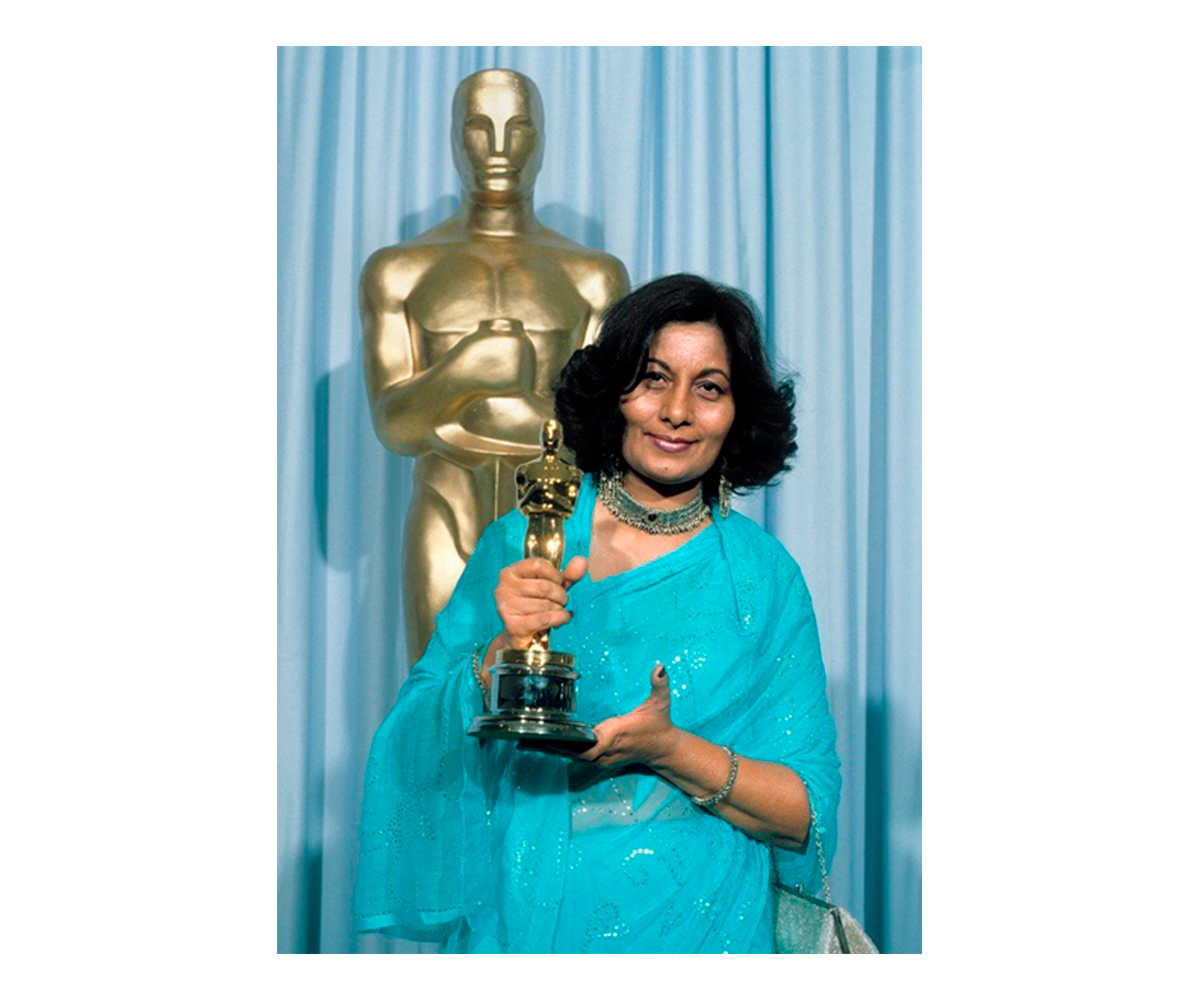
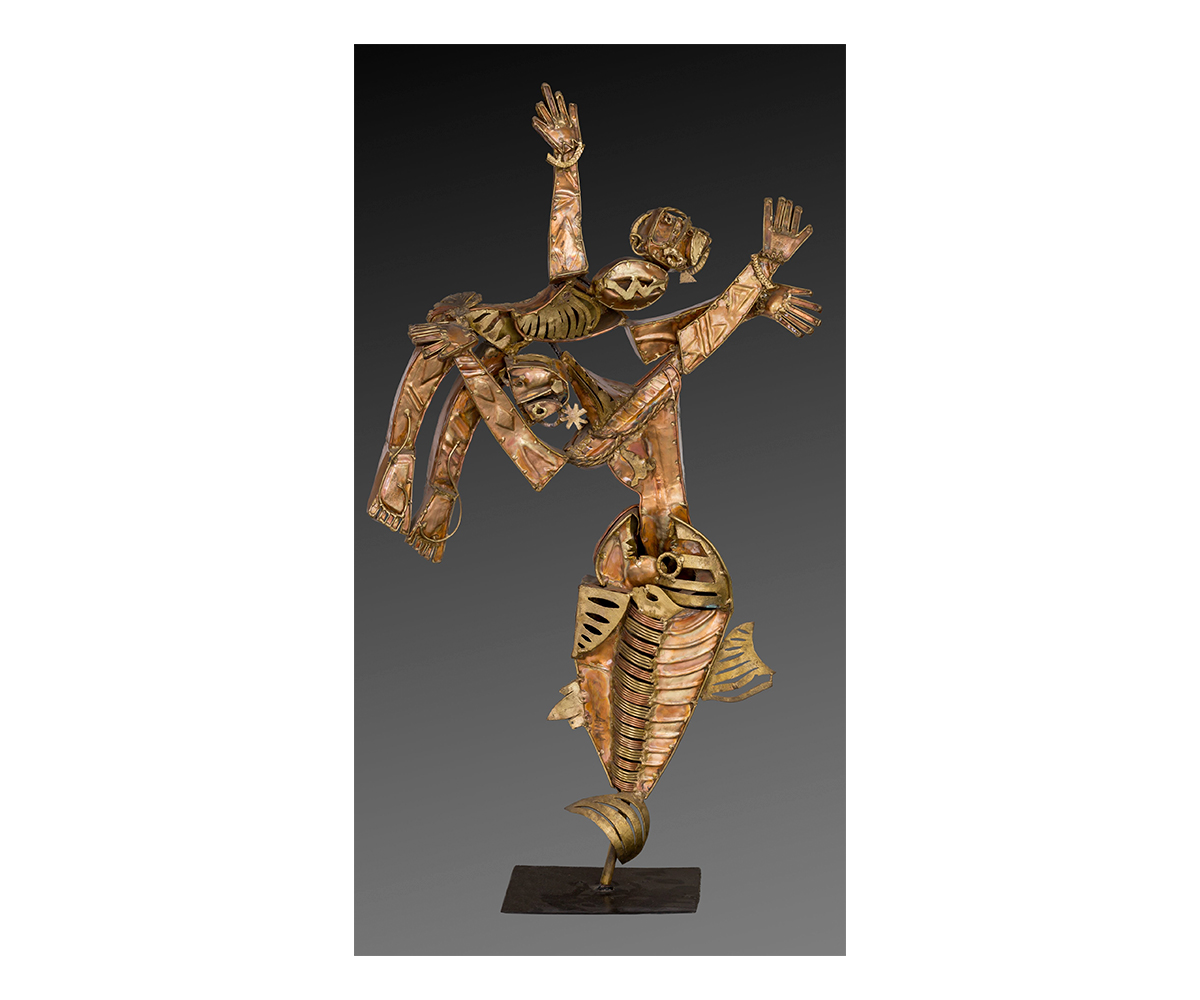
In the mid-1900s, women artists were often exceptional presences in artist collectives with mostly male members, and they sometimes undertook the difficult task of providing counterpoints to prevalent narratives. Among them were Arnawaz Vasudev and Anila Jacob in the Cholamandal Artists’ Village, Jaya Appasamy in the Delhi Silpi Chakra, Mrinalini Mukherjee at Shantiniketan, Anita Dube among the Kerala Radicals, and Bhanu Athaiya, the only woman in the Progressive Artists Group. Newly independent India saw more women seeking higher education, including in the arts, both in the country and abroad. A greater volume of women could thus enter the arts and inhabit it at different levels, with and without a range of contradictions. A generation of artists that became significant in the post-independence years, especially because of their time in the West, included Nasreen Mohamedi, known for her minimalist paintings, and Zarina, known for her drawings and prints that are seen as responses to the Partition.
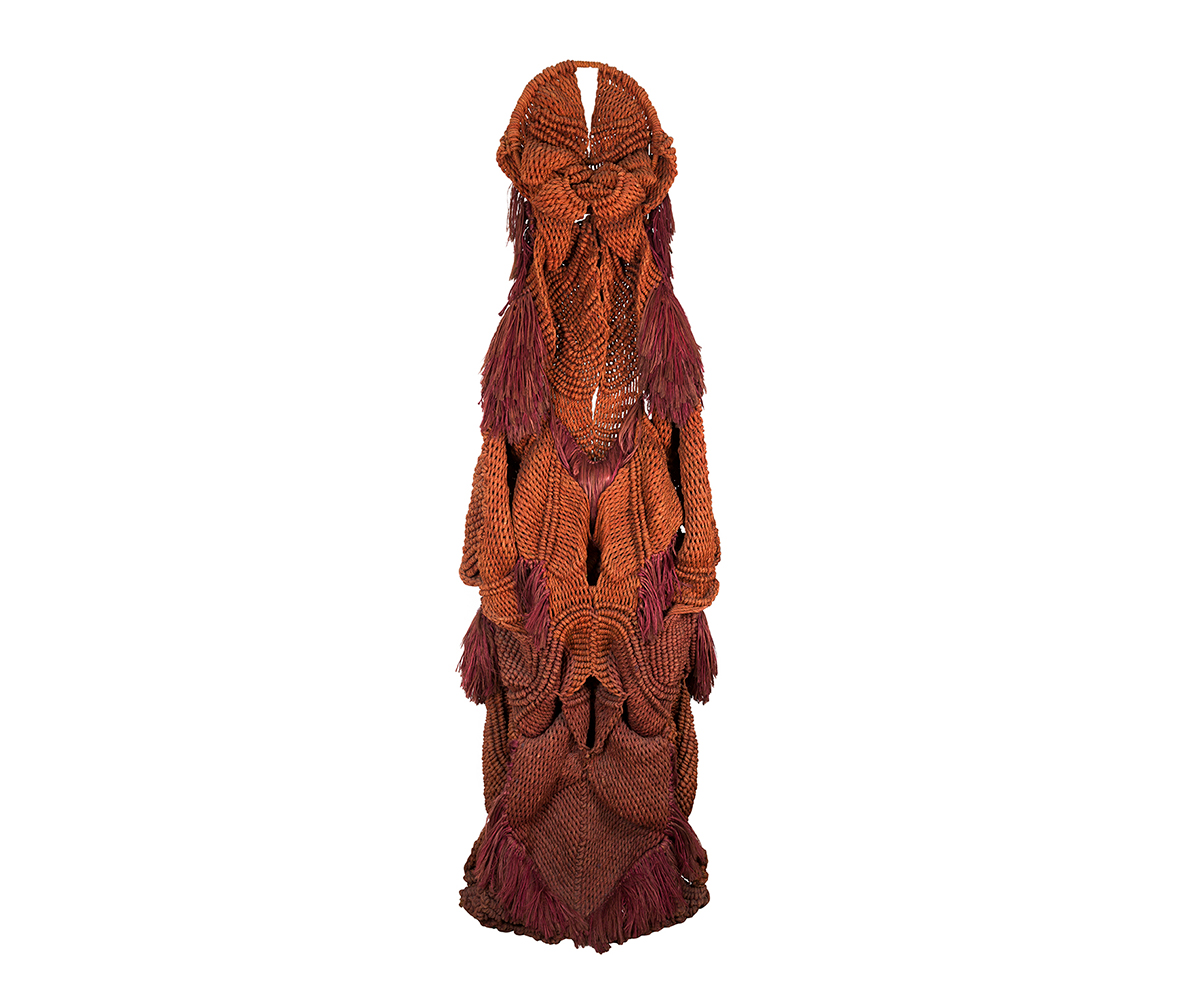
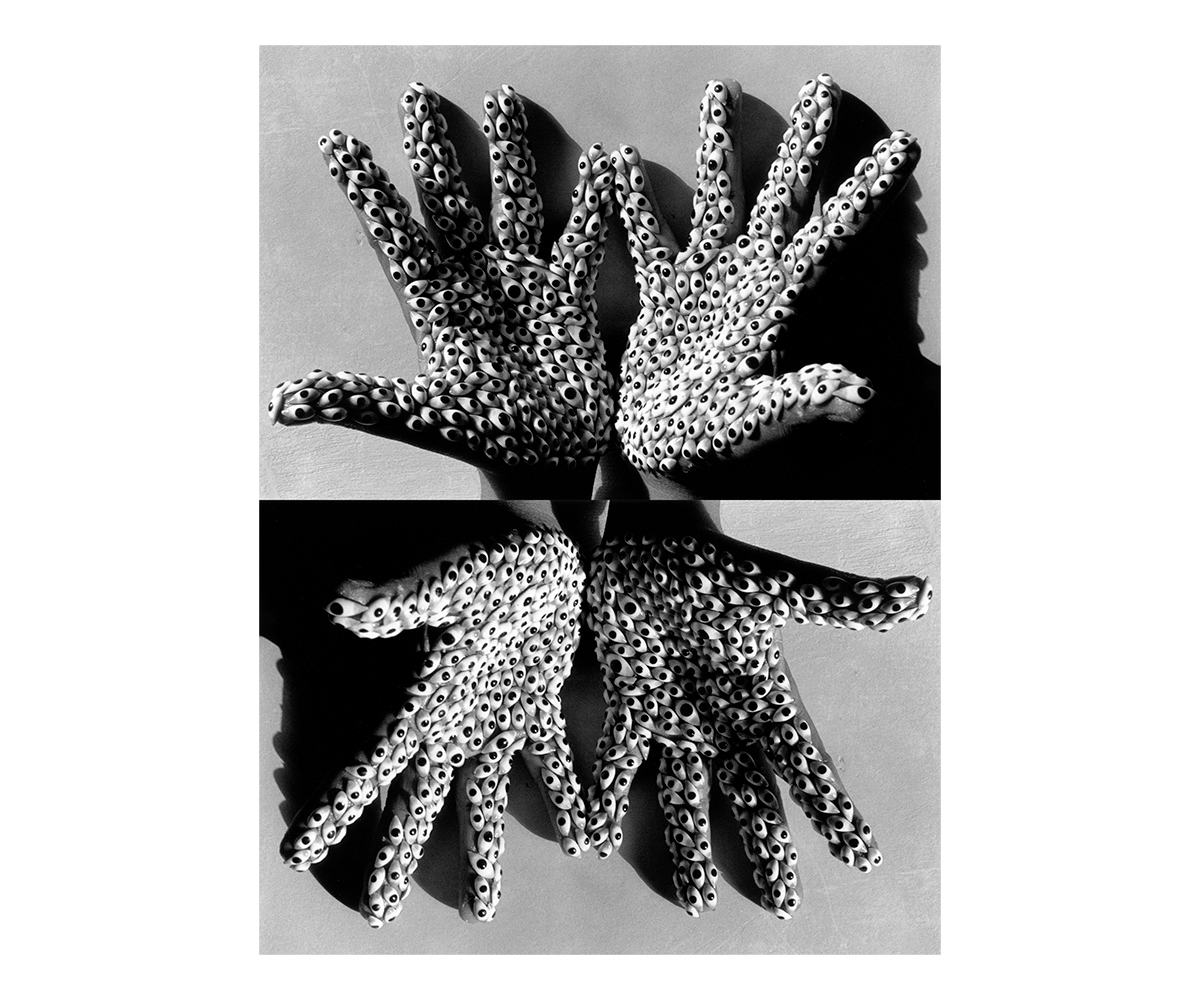
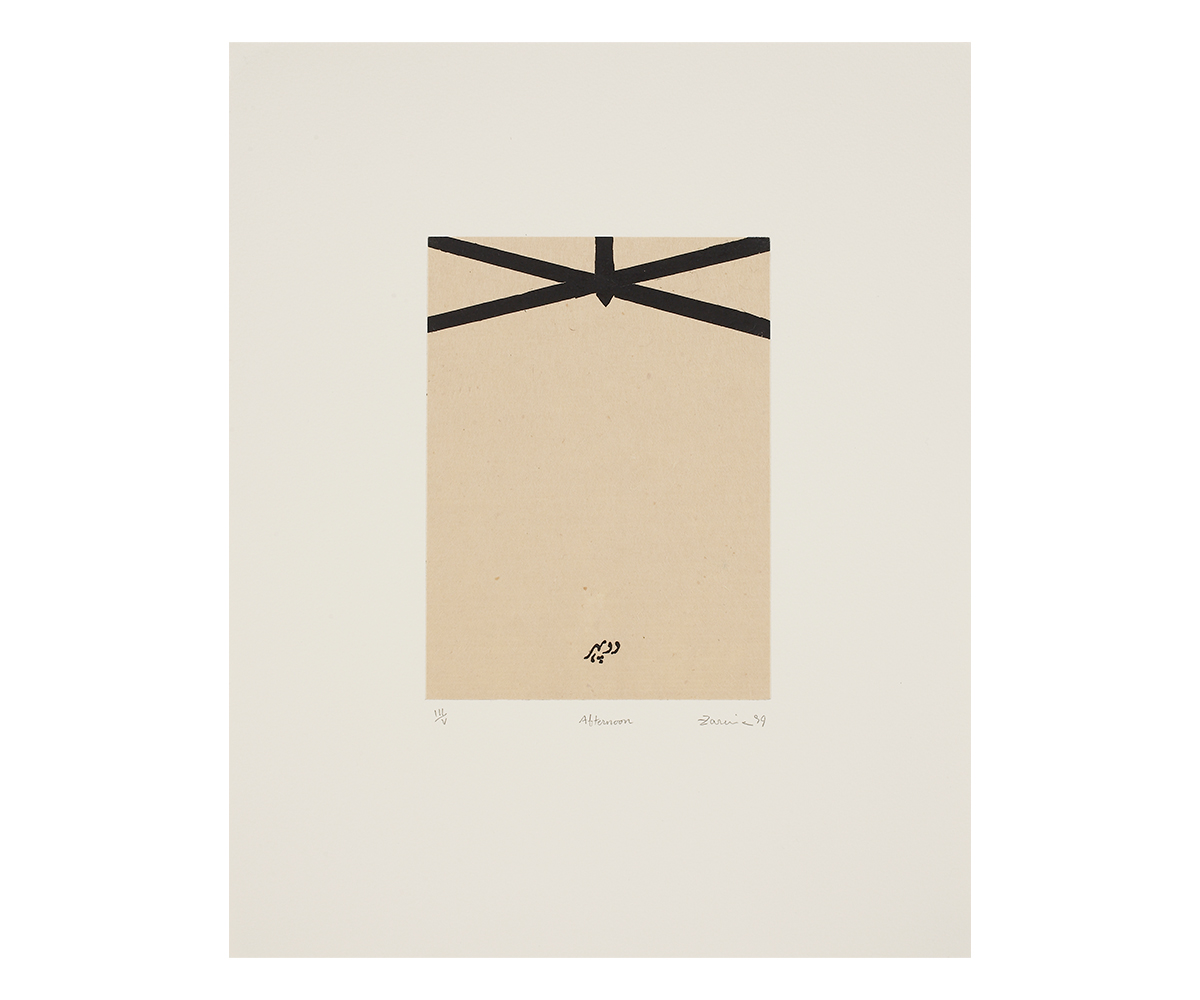
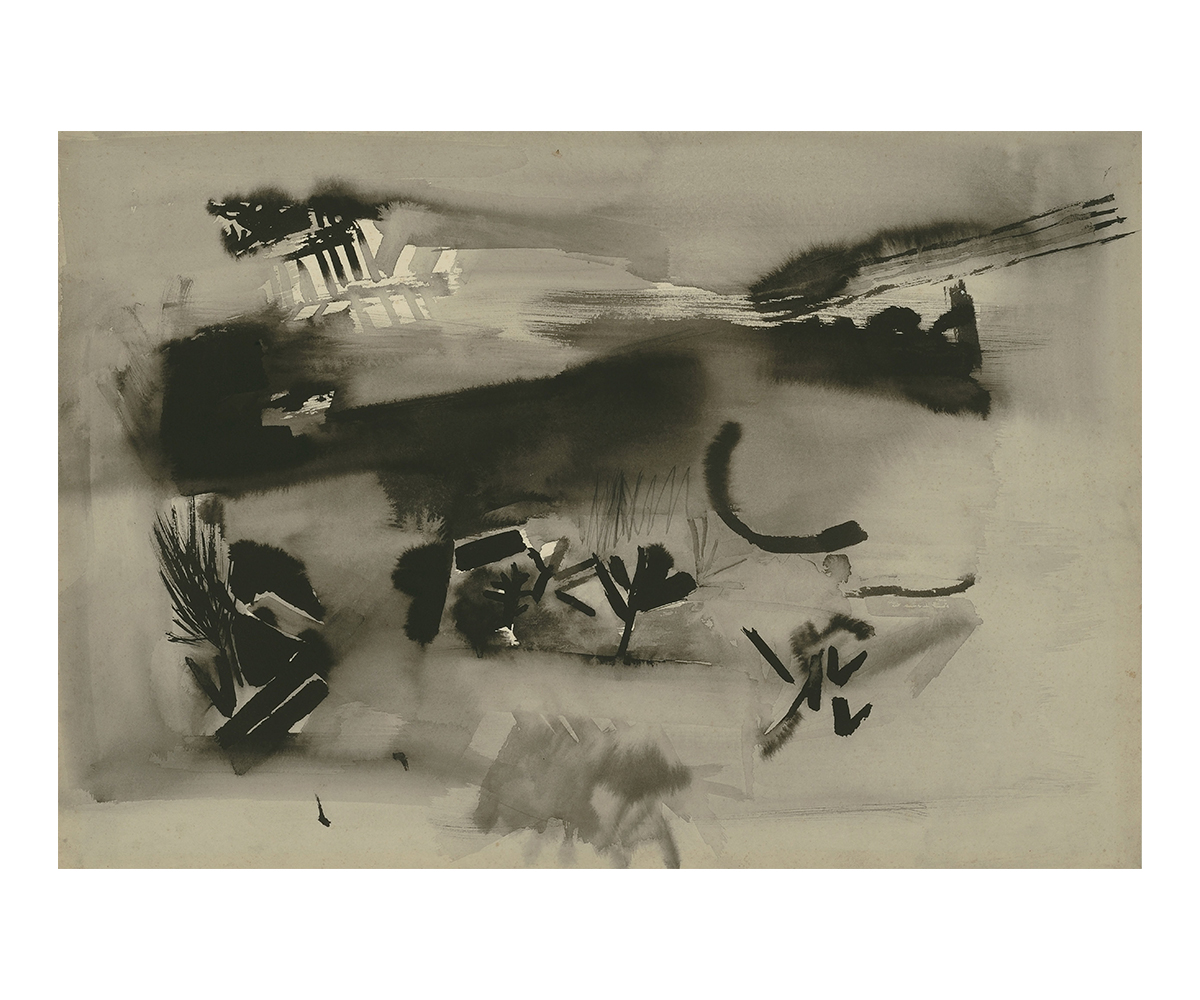
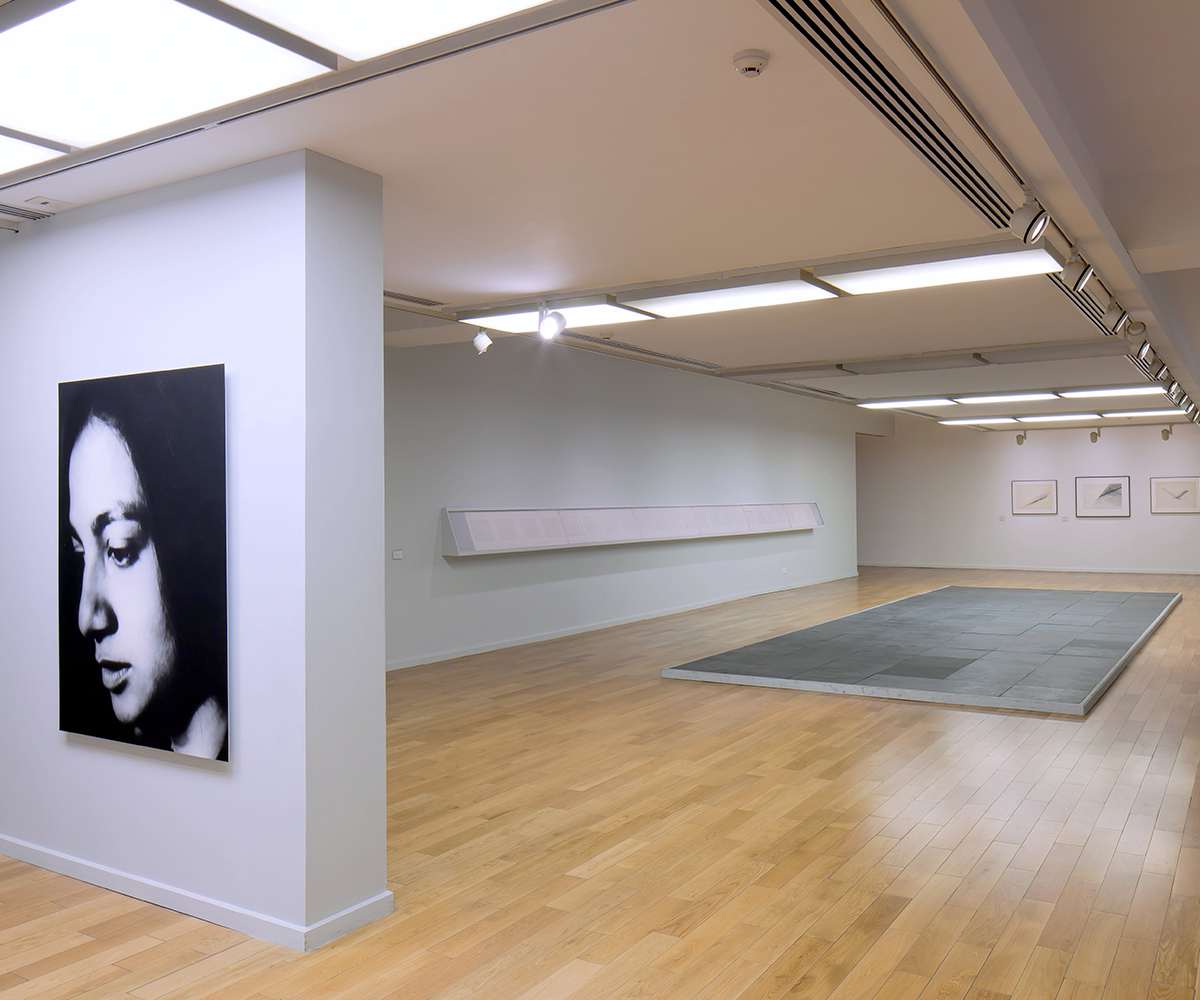
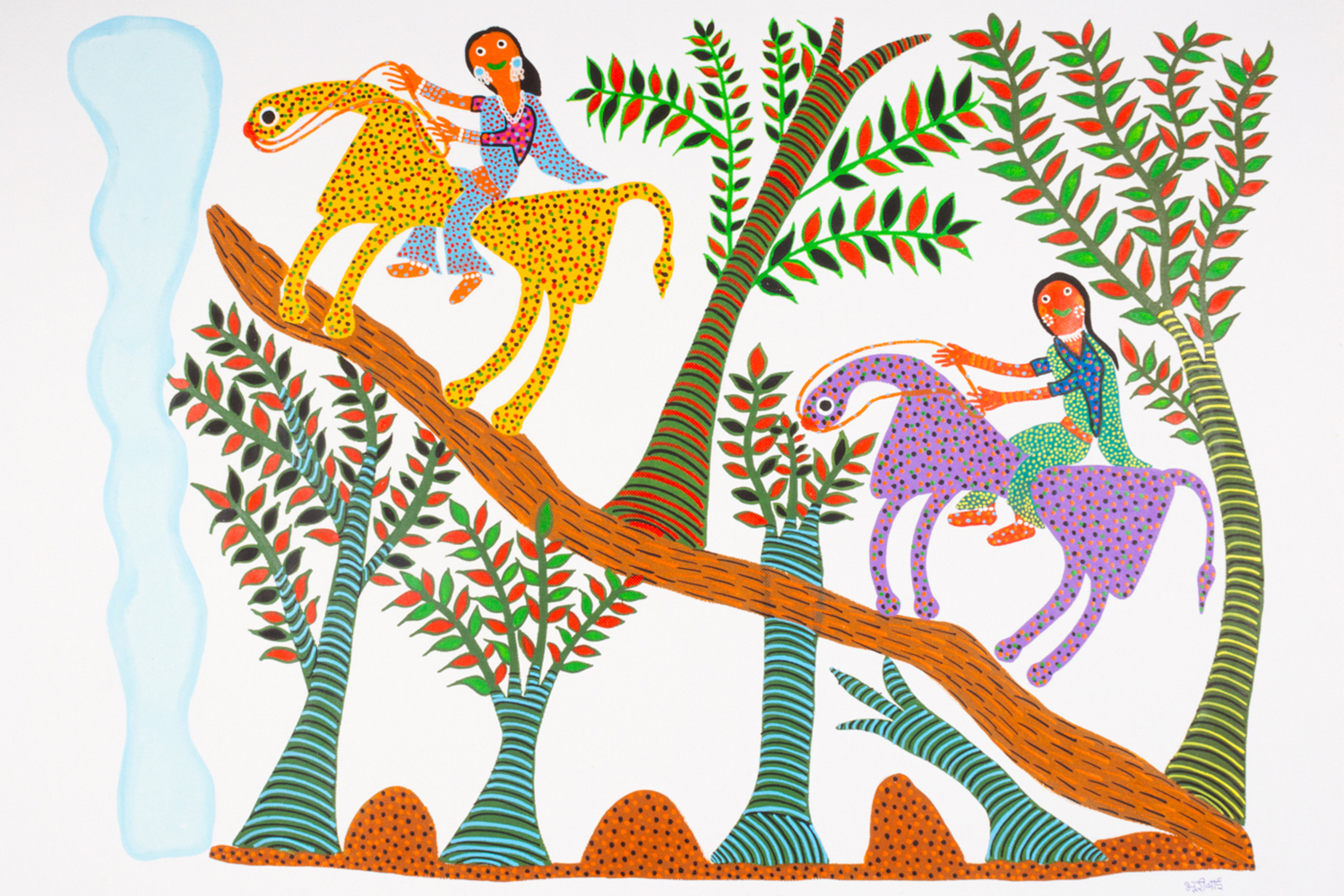
The 1980s saw the emergence of artists from indigenous communities, largely from Madhya Pradesh, including women such as Lado Bai, Bhuri Bai and Durga Bai. Working with Bharat Bhavan in Bhopal before establishing their independent careers, they participated in an art market that still consisted largely of upper class and upper caste male artists.
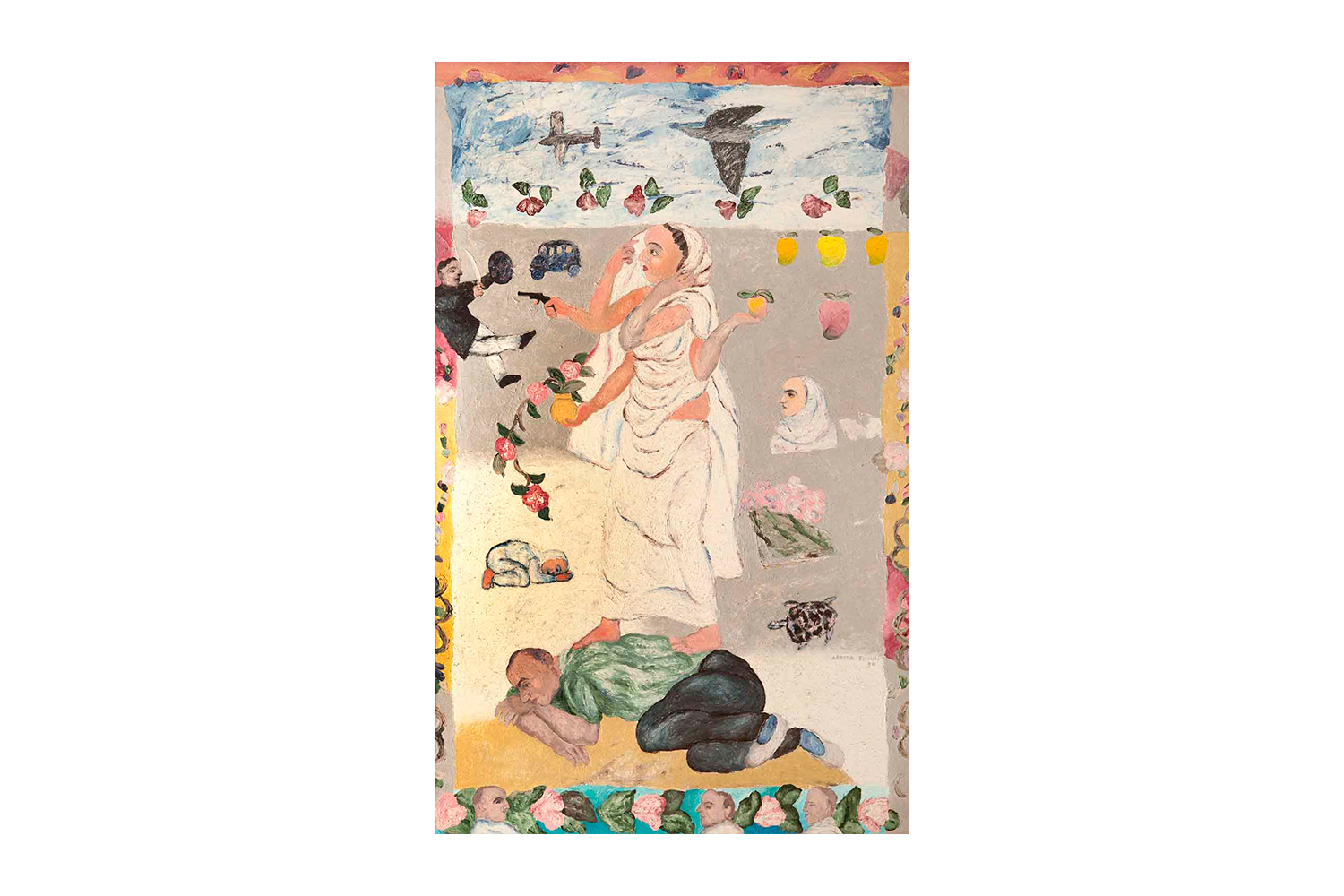
Women artists in the subcontinent have regularly highlighted the gendered view of certain mediums, such as watercolour, performance and video art, and reclaimed them. In the 1970s, a notable group of women artists rose to prominence for their watercolour paintings — Arpita Singh, Madhavi Parekh, Nilima Sheikh and Nalini Malani. They worked across a range of themes but were often seen as a collective following their landmark exhibition Through the Looking Glass (1979), which eventually travelled to different cities between 1987 and 1989.
Performance artists such as Rummana Hussain and Sonia Khurana used their medium to reclaim the female body from the male gaze of modernist art. They saw performance as a way to eliminate the distance and objecthood of an artwork, and it further became a gateway for them to experiment with video. In the late 1990s, several early adopters of video art — distinguished from the more male-dominated area of cinema — were women, most notably Nalini Malani, followed by artists from later generations such as Tejal Shah and Himali Singh Soin.
Photojournalism, despite being a heavily male-dominated profession, saw certain key women practitioners in the twentieth century. At the cusp of India’s independence from the British, Homai Vyarawalla became the subcontinent’s first professional female photojournalist. A graduate of the Sir JJ School of Art, Vyarawalla spent her early career photographing the inner world of women — on college trips, with friends, at play, at work, or on picnics — and the progressively urban life of Mumbai. After these photographs were published in magazines such as The Illustrated Weekly of India and Bombay Chronicle, she was hired by the British Information Service as a photographer, to produce and document films intended to enable British propaganda. Alongside this work, she freelanced as a press photojournalist, and captured the twilight of the British Empire in India as well as the rebirth of India as a free nation. Another notable photographer who was witness to major political upheavals in India is Sheba Chhachhi, who is best remembered for her coverage of protest marches in the 1980s and 1990s. These decades were marked by public demonstrations and action against dowry killings and domestic violence. Her photographs document and testify to the power of feminist solidarity, and underline its magnitude.
Art and activism often went hand in hand for many women artists whose practice involved community participation, such as Navjot Altaf’s work with indigenous groups in Bastar, Chhattisgarh. The transwomen-led Aravani Art Project, founded in 2016, works to increase awareness of the struggles faced by trans and other LGBTQ people in India through graffiti and other street art in urban areas, although transwomen continue to be under-represented in the Indian art world.
The years 2017 and 2018 saw the #MeToo movement in Indian art, a series of accusations of sexual harassment and complicity were made against influential male figures in the Indian art industry. The movement began in 2017 in New York, with a protest against a retrospective of photographer Raghubir Singh, by Indian artist Pyaari Azaadi, formerly known as Jaishri Abichandani. Gaining momentum in 2018, the movement saw allegations being made mostly by women against male artists and curators through anonymous posts on social media, sparking discussions on the patriarchal nature of the industry and its unregulated structure.
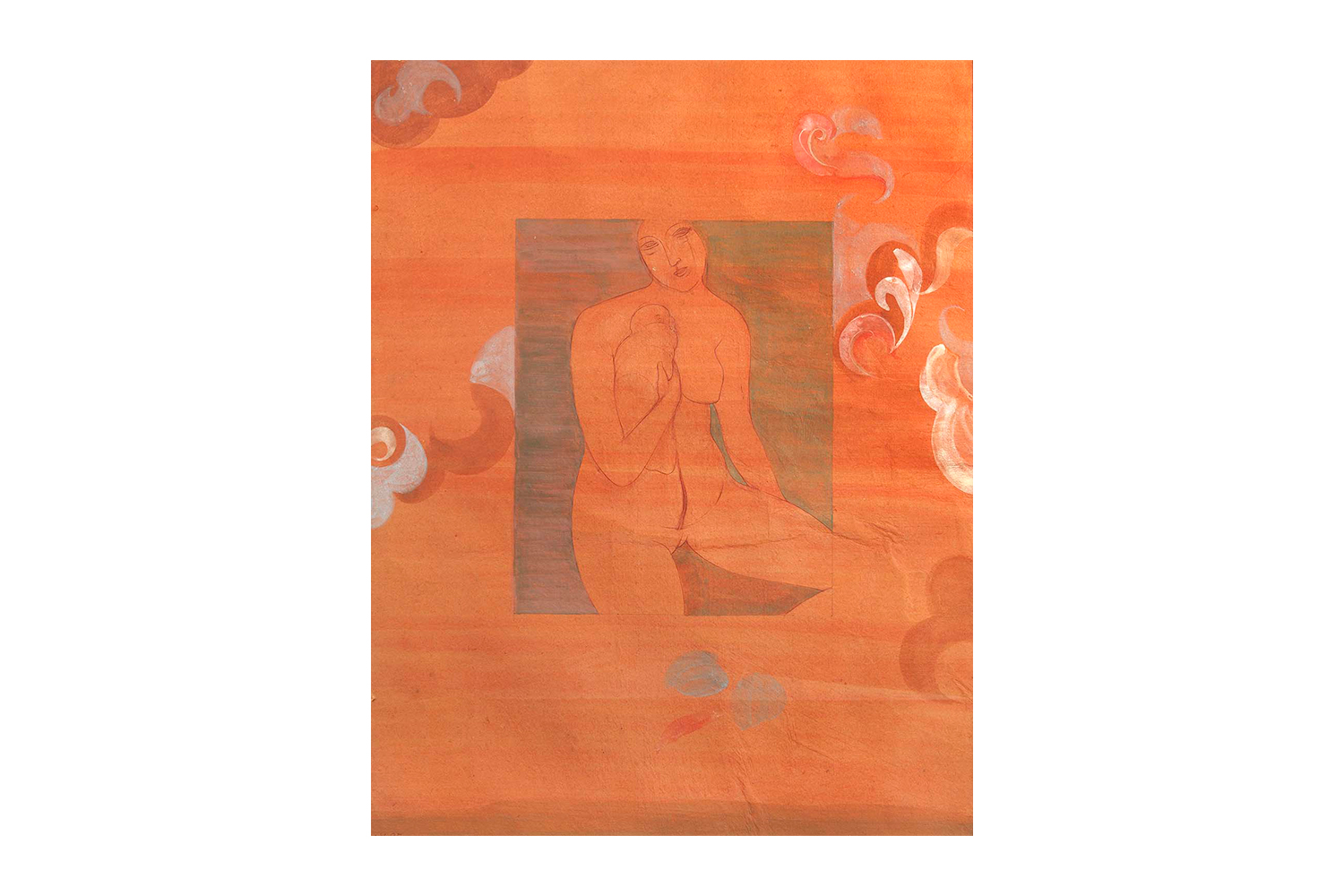
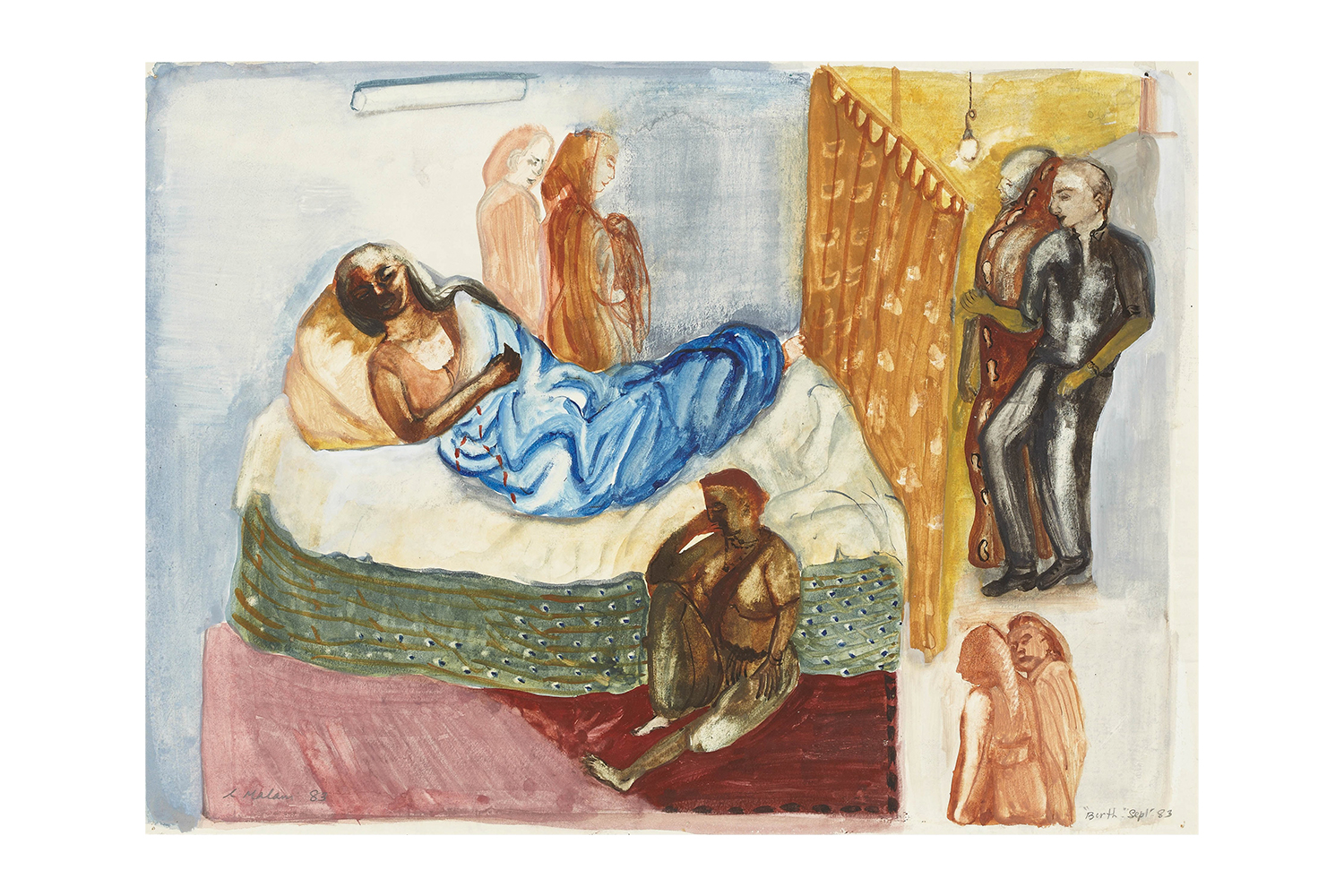
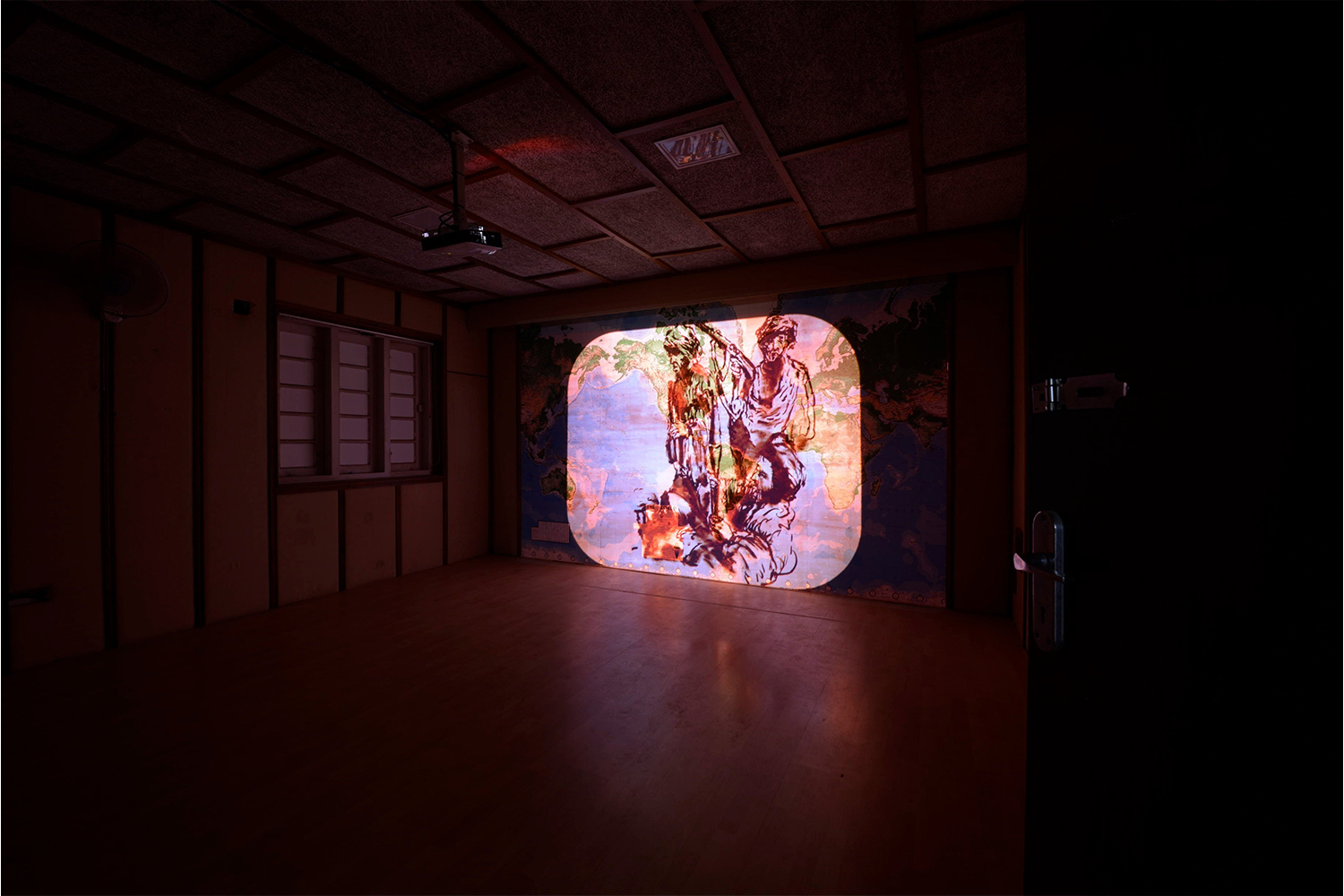
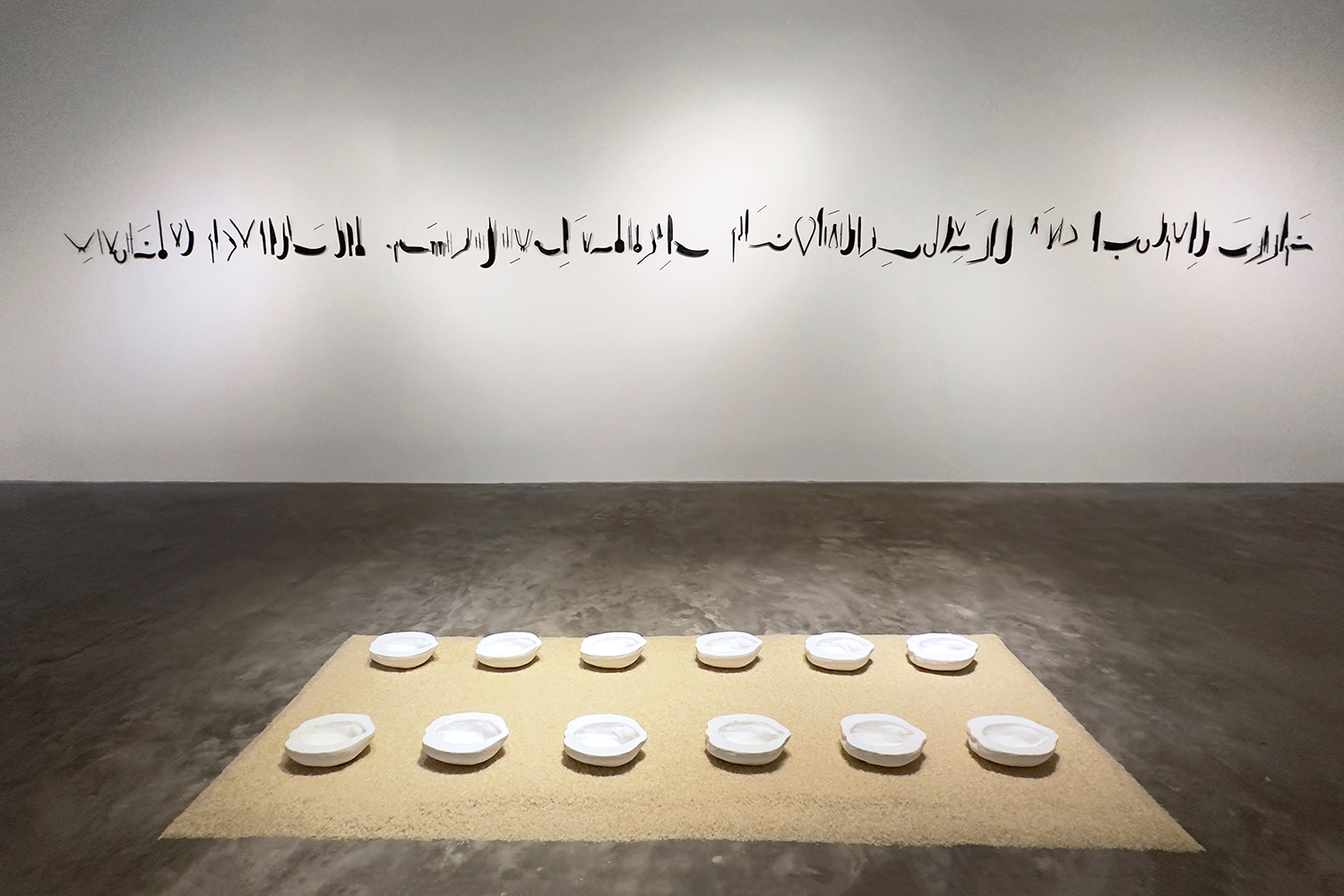
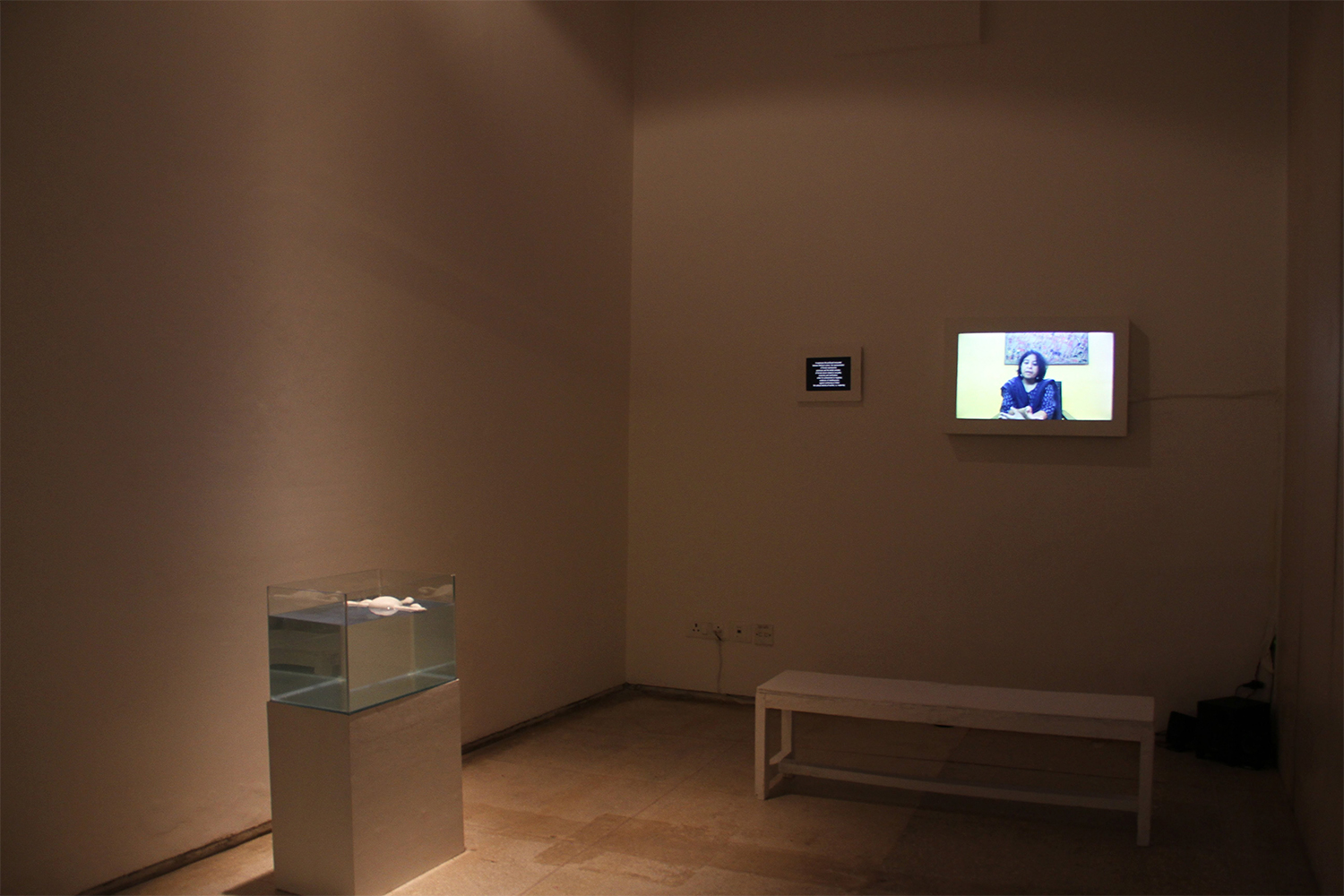
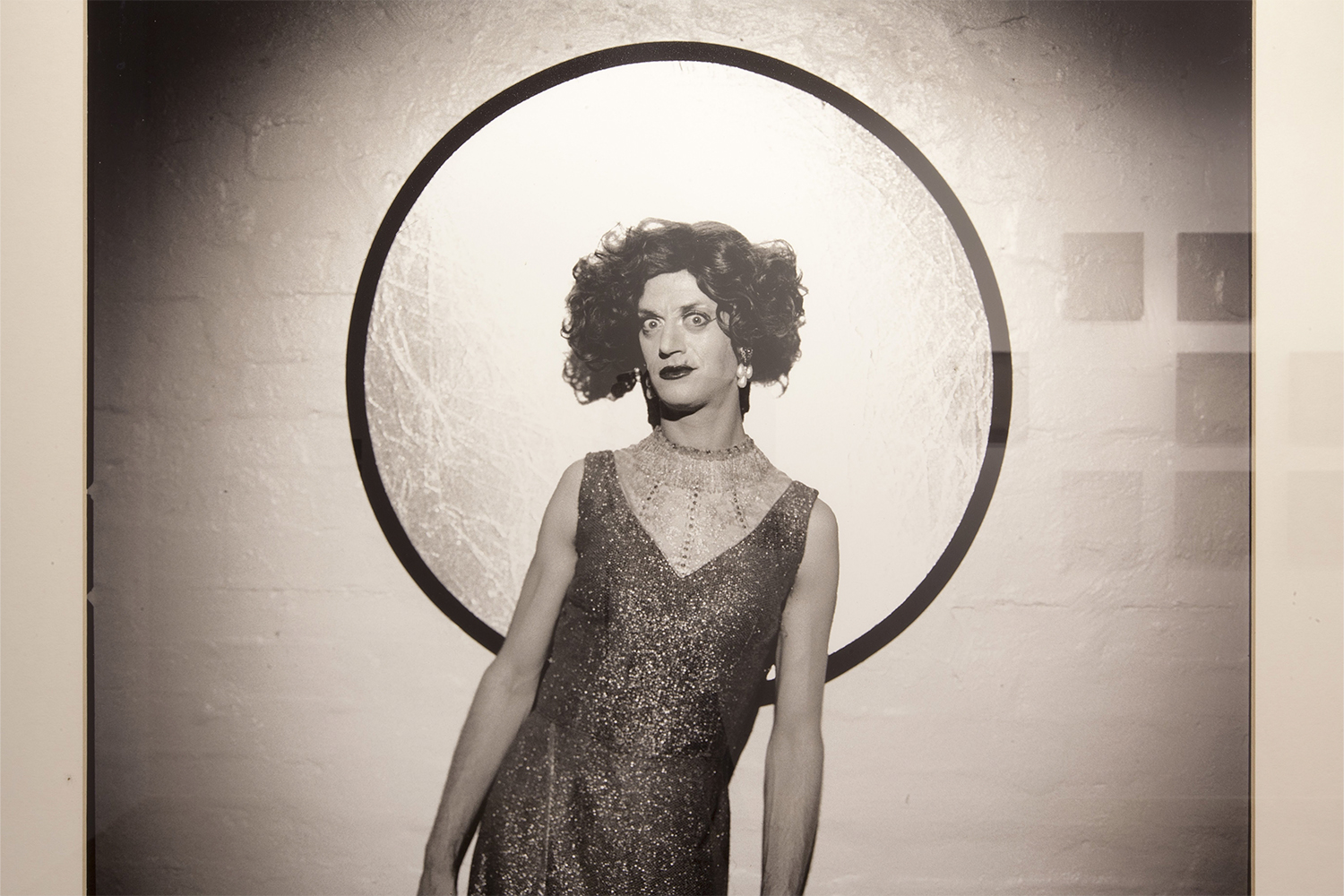
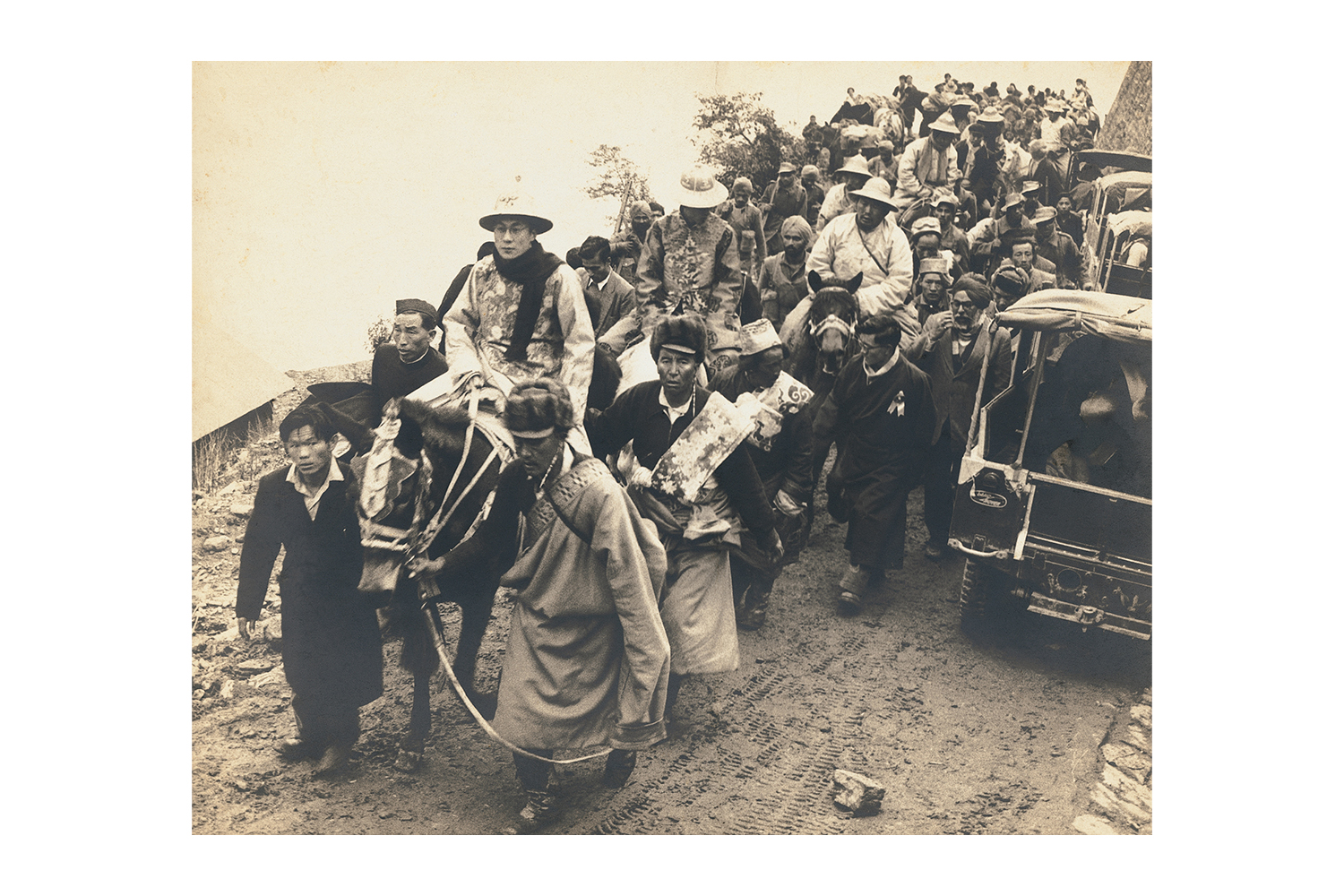
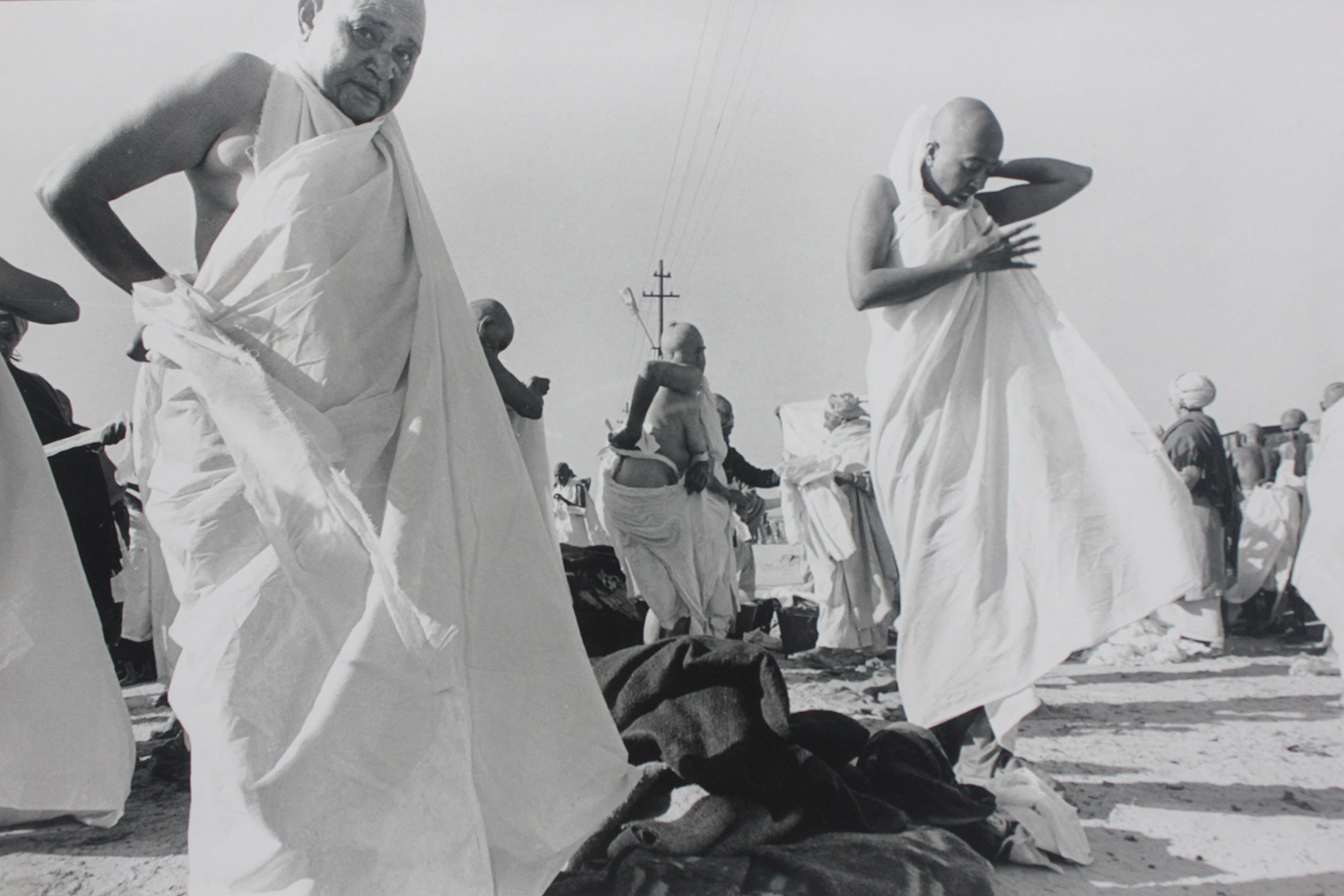
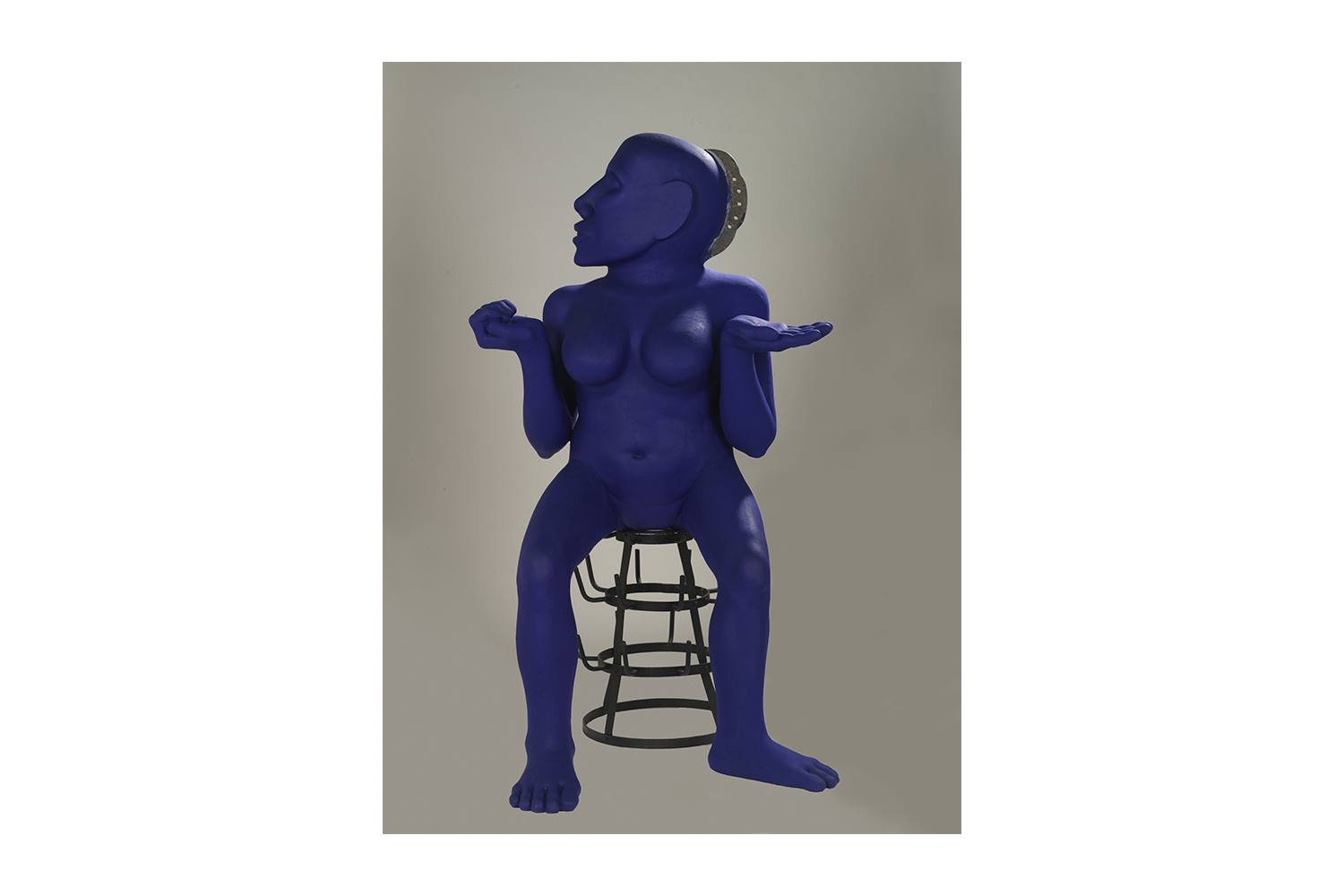
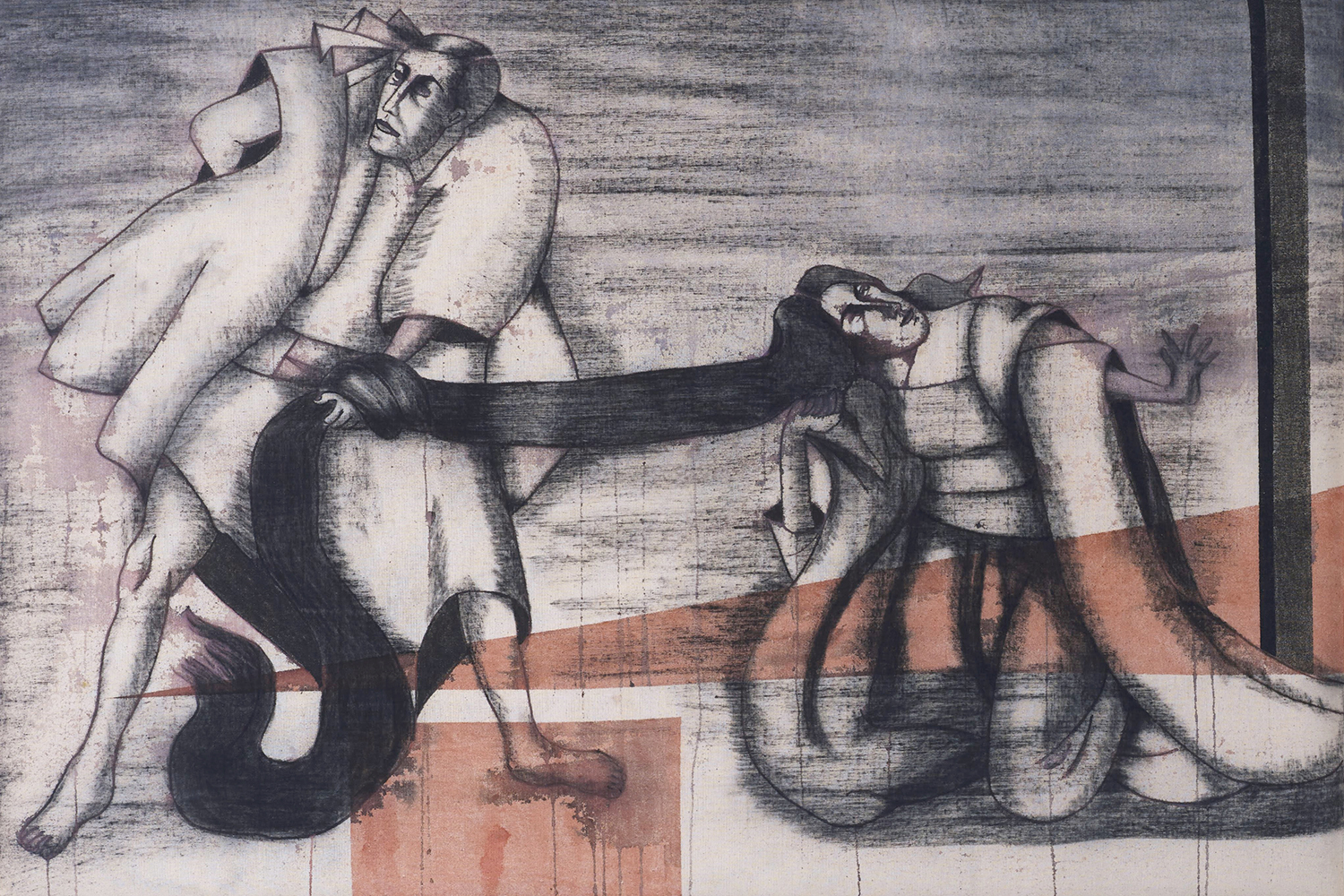
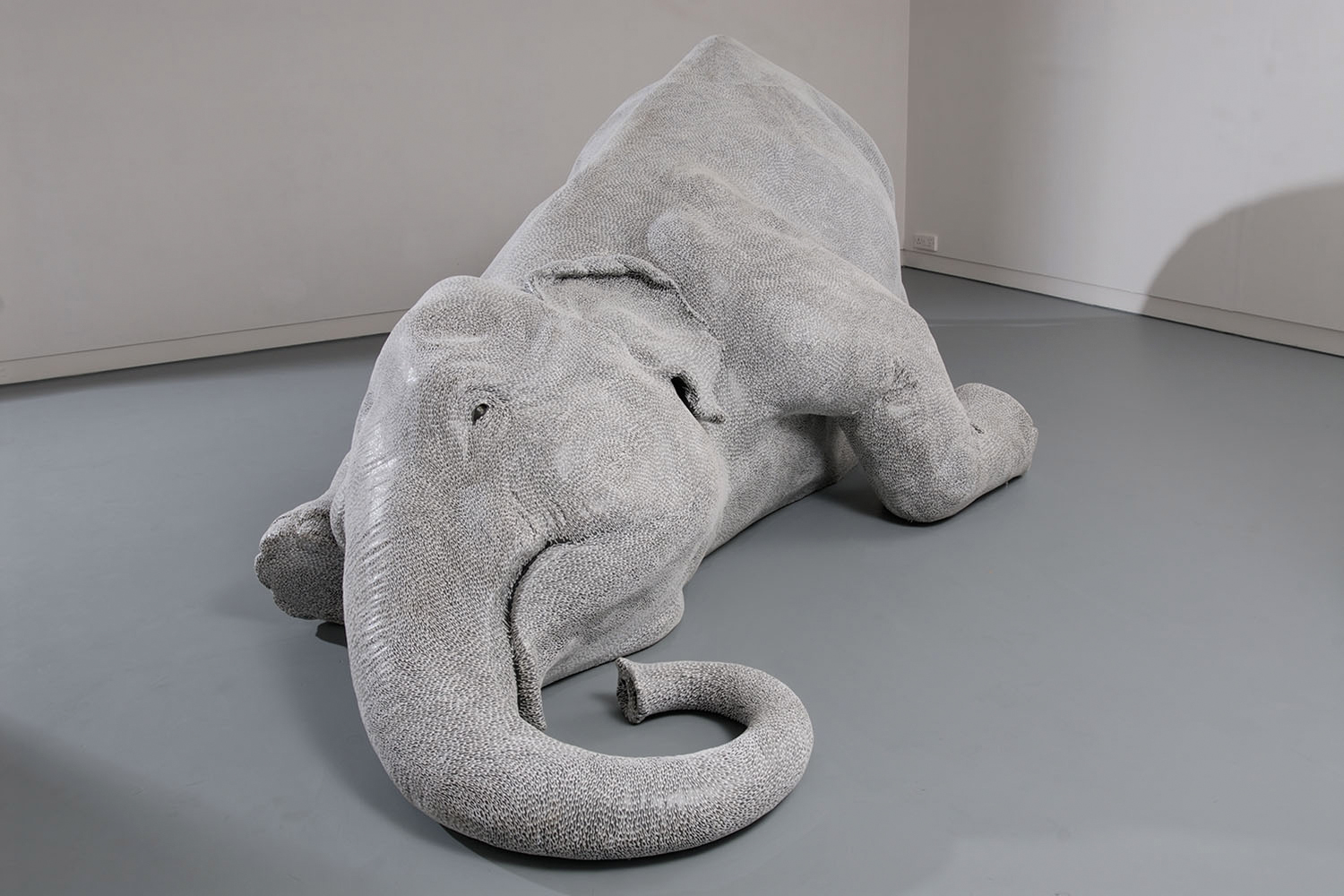
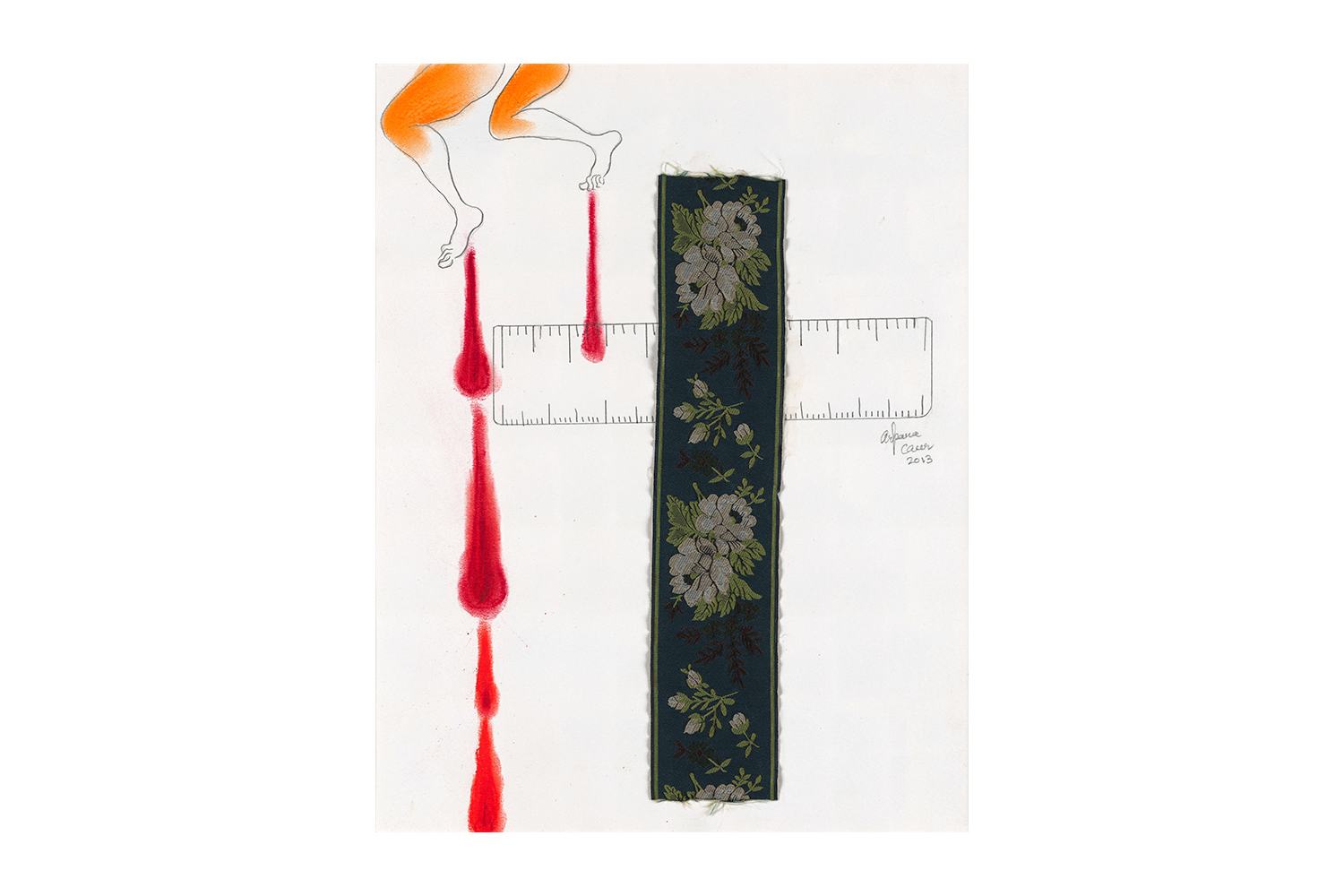
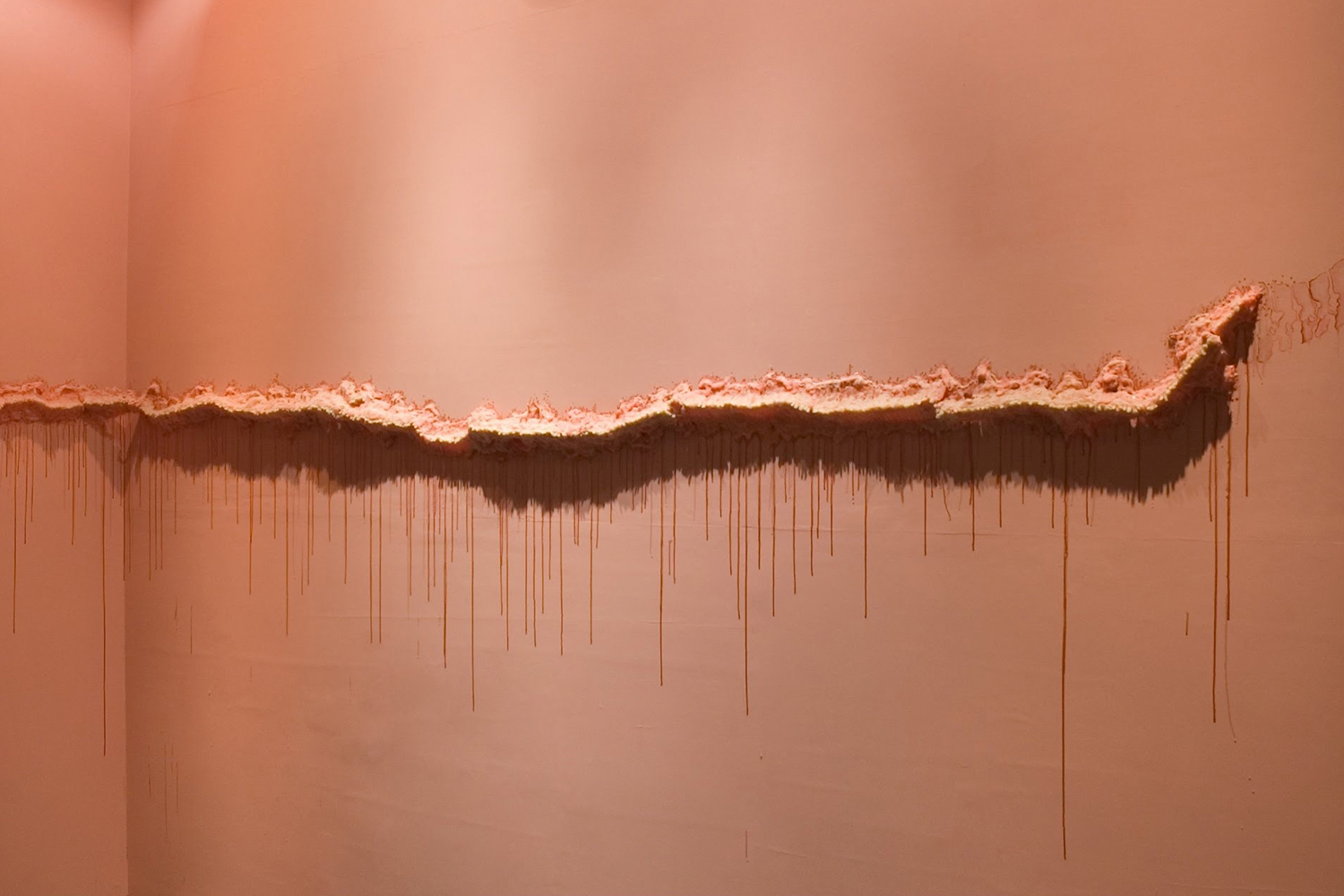
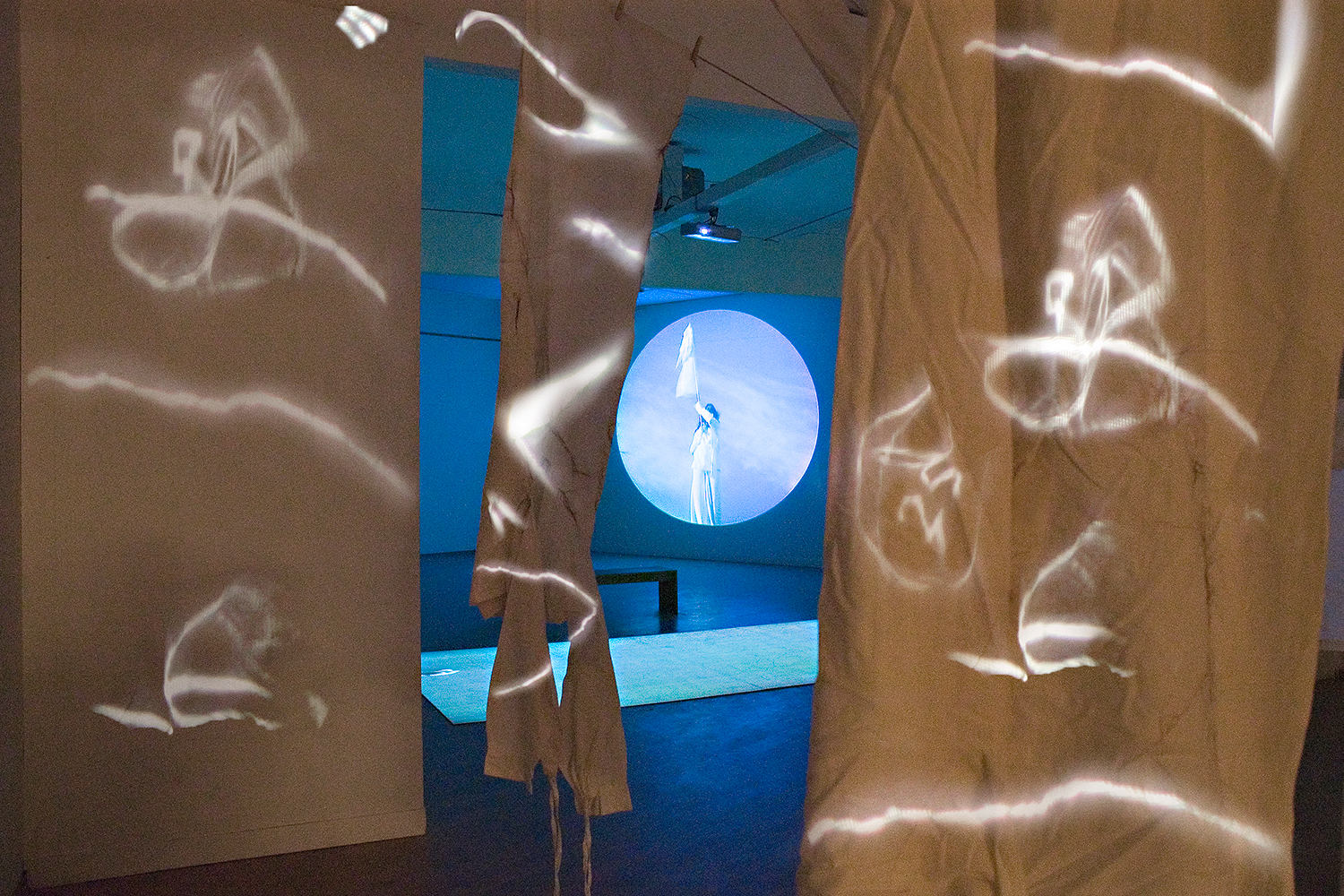
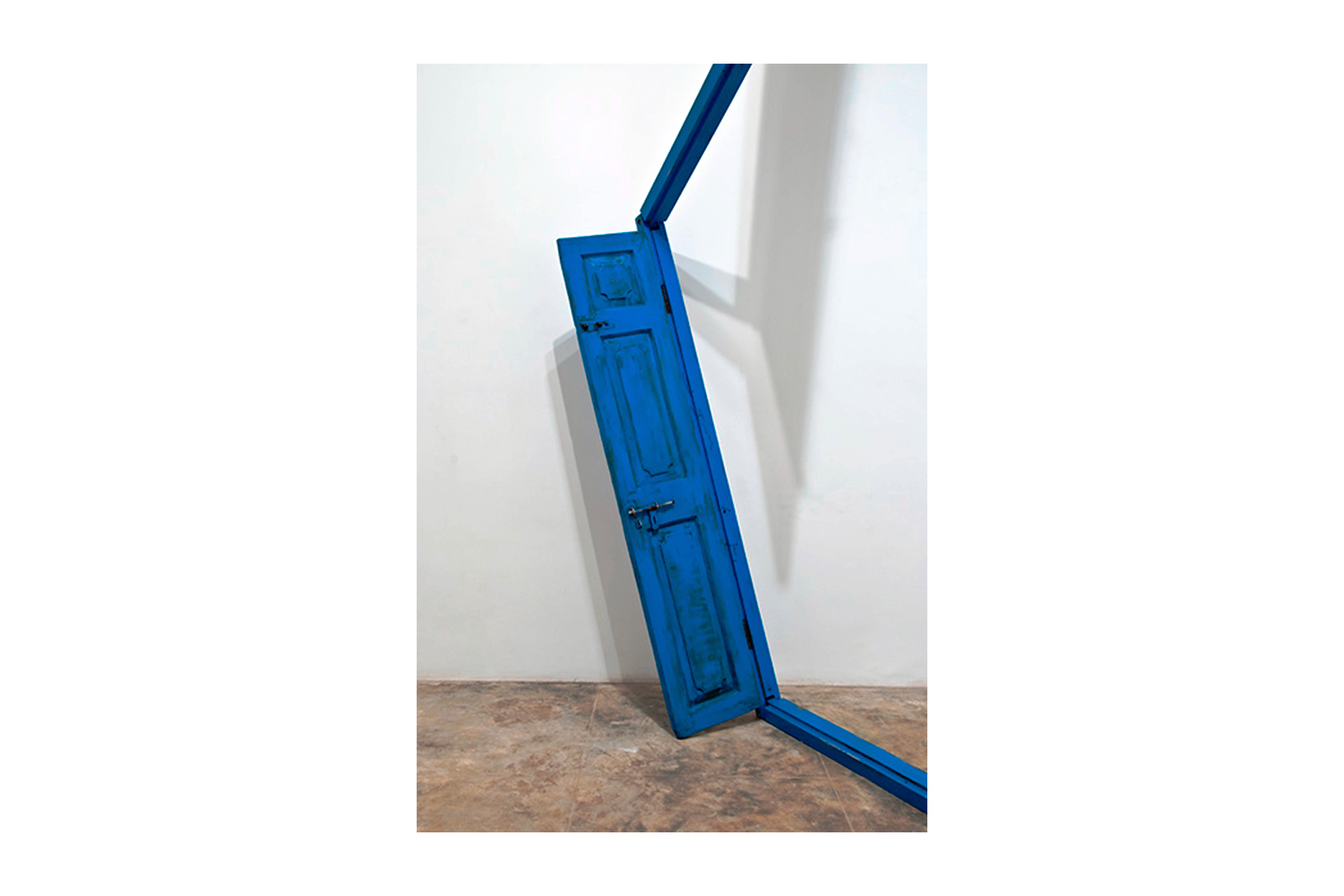
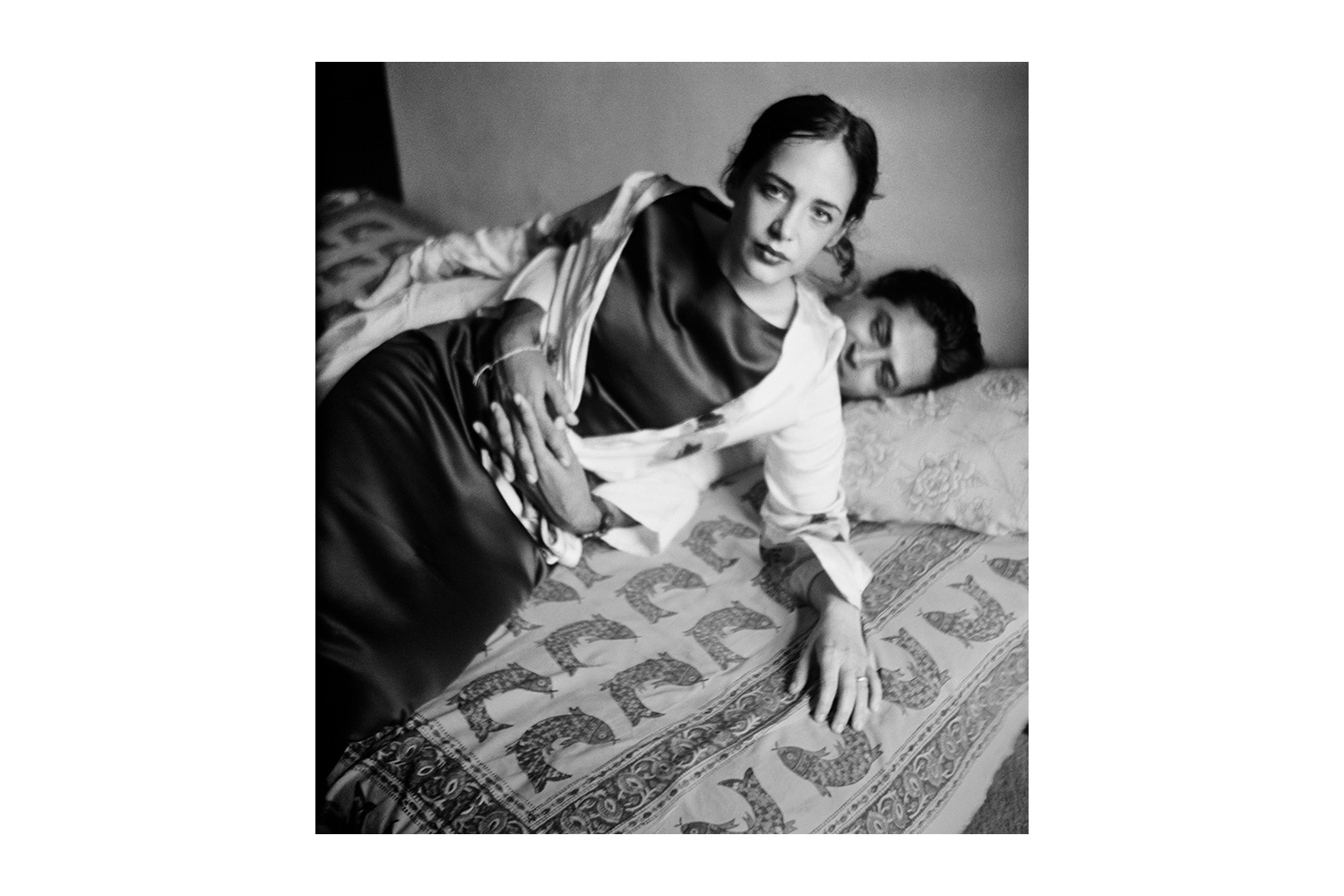
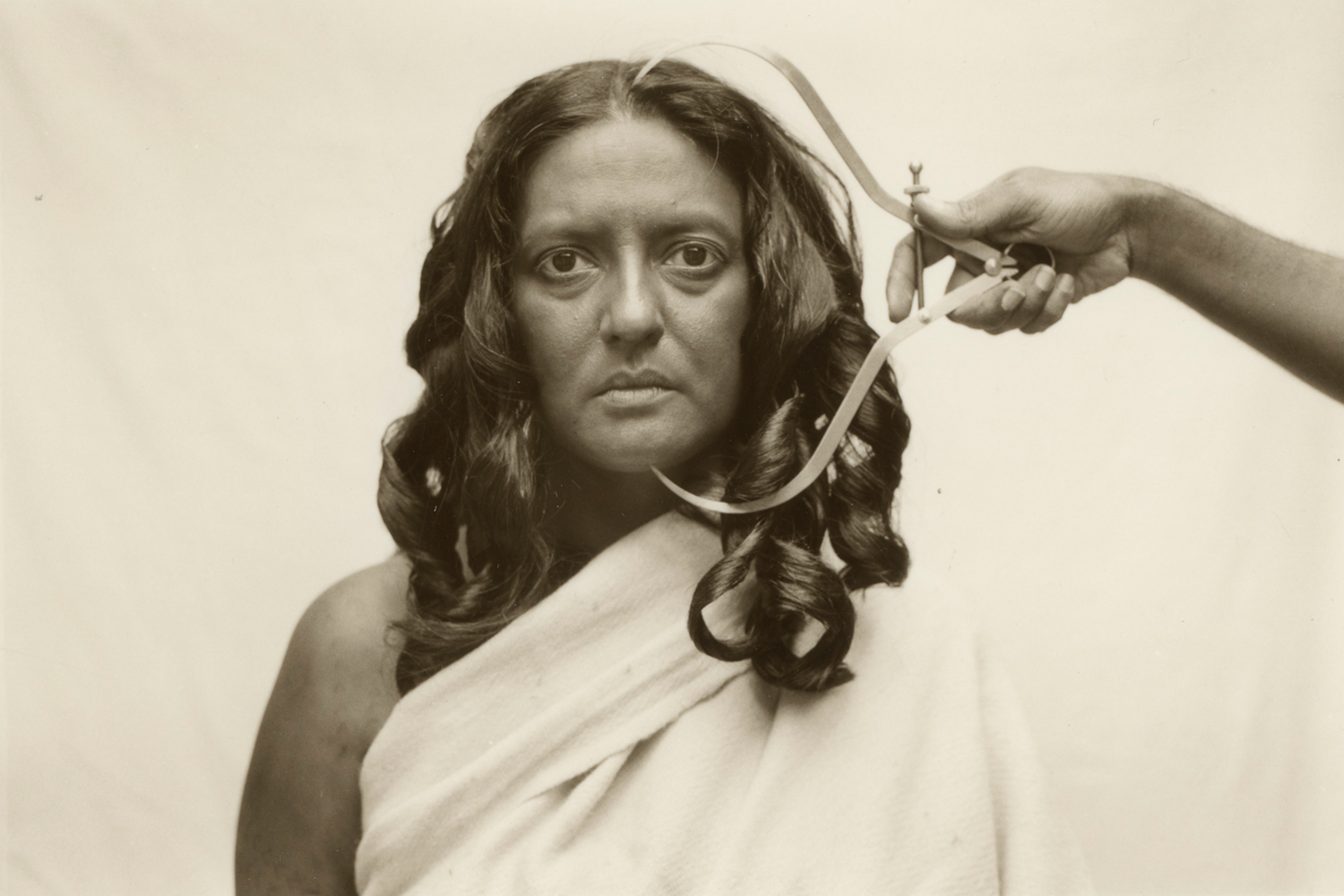
Since the 1990s, art itself has been going through a sea-change, as tendencies towards new media such as video and sound, and newer forms such as installation art, assemblage, and performance, have grown. Increasingly, artists who engage with feminist issues do so in conjunction with issues of caste, social strife, globalisation, poverty, and tradition. These artists include Anju Dodiya, Bharti Kher, and Arpana Caur in sculpture and painting; Rummana Hussain, Mithu Sen, and Shilpa Gupta in multi-format conceptual art; Sheela Gowda, and Sharmila Samant in installation art; and Ketaki Sheth, Dayanita Singh, and Pushpamala N in photography.
Significant exhibitions on gender primarily featuring women Indian artists include Dispossession (1995), curated by Geeta Kapur at the Johannesburg Biennale; Woman Artists of India: A Celebration of Independence (1997), Mills College, Oakland; Fluid Structures: Gender and Abstraction in India (2008) at Vadehra Art Gallery, New Delhi; Mapping Gender (2013) at Jawaharlal Nehru University, New Delhi; and In Order to Join (2013-2015), curated by Swapna Tamhane and Susanne Titz, and held at various locations in Germany and Mumbai.
First published: 13 June 2023
Image Gallery
Bibliography
Agarwal, Simran. “A Family Affair: Few Know About the Artistic Prowess of Raja Ravi Varma’s Siblings.” Scroll. August 3, 2020. Accessed June 10, 2022. https://scroll.in/article/969025/a-family-affair-few-know-about-the-artistic-prowess-of-raja-ravi-varmas-siblings.
“Ambika Dhurandhar: India’s First Art School–trained Woman Artist.” The Heritage Lab. March 8, 2022. Accessed June 10, 2022. https://www.theheritagelab.in/ambika-dhurandhar-woman-artist/.
Balaram, Rakhee. “Shortlist | Women in the Visual Arts in India and South Asia: Some Partial Maps.” Asia Art Archive. September 12, 2018. Accessed June 10, 2022. https://aaa.org.hk/en/ideas-journal/ideas-journal/shortlist-women-in-the-visual-arts-in-india-and-south-asia-some-partial-maps
Bhullar, Dilpreet. “Shilpa Gupta’s Art Practice Illuminates the Silenced History for an Inclusive World.” Stirworld. June 25, 2020. Accessed June 10, 2022. https://www.stirworld.com/see-features-shilpa-gupta-s-art-practice-illuminates-the-silenced-history-for-an-inclusive-world.
D’Mello, Rosalyn. “Bhanu Athaiya: The Sartorial Modernist.” OPEN. November 27, 2020. Accessed June 10, 2022. https://openthemagazine.com/art-culture/bhanu-athaiya-the-sartorial-modernist/.
D’Mello, Rosalyn. “Bharti Kher: The Body Memoirist.” OPEN. August 24, 2016. Accessed June 10, 2022. https://openthemagazine.com/art-culture/bharti-kher-the-body-memoirist/.
D’Mello, Rosalyn. “Ketaki Sheth: Her Own Space.” OPEN. October 10, 2018. Accessed June 10, 2022. https://openthemagazine.com/features/photography/ketaki-sheth-her-own-space/.
D’Mello, Rosalyn. “Reena Kallat: Trapped in Hyphens.” OPEN. November 22, 2017. Accessed June 10, 2022. https://openthemagazine.com/art-culture/reena-kallat-trapped-in-hyphens/.
D’Mello, Rosalyn. “Mithu Sen: The Constant Performer.” OPEN. March 29, 2017. Accessed June 10, 2022. https://openthemagazine.com/art-culture/mithu-sen-the-constant-performer/.
Dave-Mukherji, Parul. “Entangled Temporality in Art Practice: Contemporary Revisiting of the ‘Golden’ Age.” Asia Art Archive. May 1, 2012. Accessed June 10, 2022. https://aaa.org.hk/en/ideas-journal/ideas-journal/entangled-temporality-in-art-practice-contemporary-revisiting-of-the-golden-age.
Gardner, Andrew. “Mrinalini Mukherjee: Textile to Sculpture.” Post: MoMA. December 11, 2019. Accessed June 10, 2022. https://post.moma.org/mrinalini-mukherjee-textile-to-sculpture/.
Jha, Fiza. “Remembering Homai Vyarawalla, Self-taught Firebrand Photographer Who Made Her Own Rules.” The Print. December 9, 2019. Accessed June 10, 2022. https://theprint.in/theprint-profile/remembering-homai-vyarawalla-self-taught-firebrand-photographer-who-made-her-own-rules/332241/.
Kapur, Geeta. When Was Modernism: Essays on Contemporary Cultural Practice in India. Delhi: Tulika Books, 2000.
Johal, Rattanamol Singh. “From the Movement to the Museum: Chronologies, Questions, Reconfigurations.” Tate, April 14, 2021. Accessed June 10, 2022. https://www.tate.org.uk/research/in-focus/seven-lives-dream-sheba-chhachhi/from-movement-to-museum.
Jumabhoy, Zehra. “Zarina Hashmi (1937–2020): An Artist Whose Work is Woven with Ideas of Displacement and Mobility.” Scroll. April 29, 2020. Accessed June 10, 2022. https://scroll.in/article/960503/zarina-hashmi-1937-2020-an-artist-whose-work-is-woven-with-ideas-of-displacement-and-mobility.
“Sunayani Devi.” Critical Collective. Accessed June 10, 2022. https://criticalcollective.in/ArtistInner.aspx?Aid=546.
Feedback