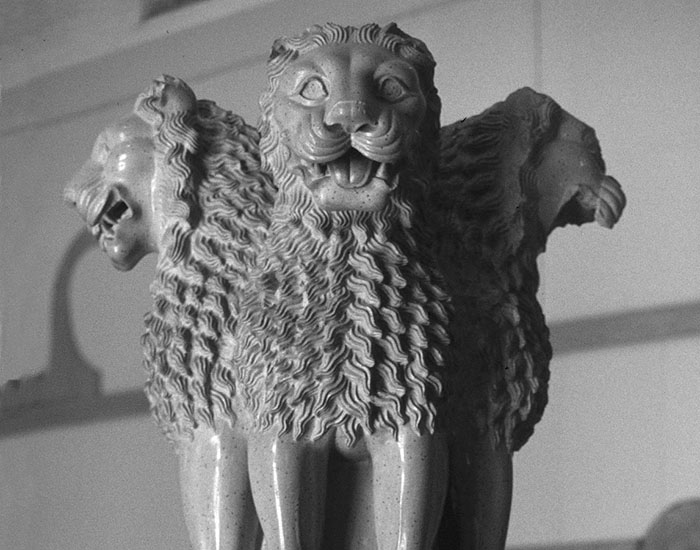
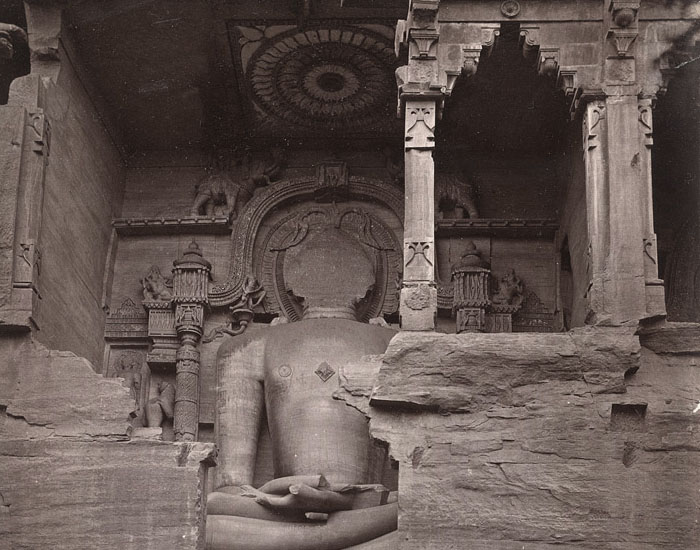
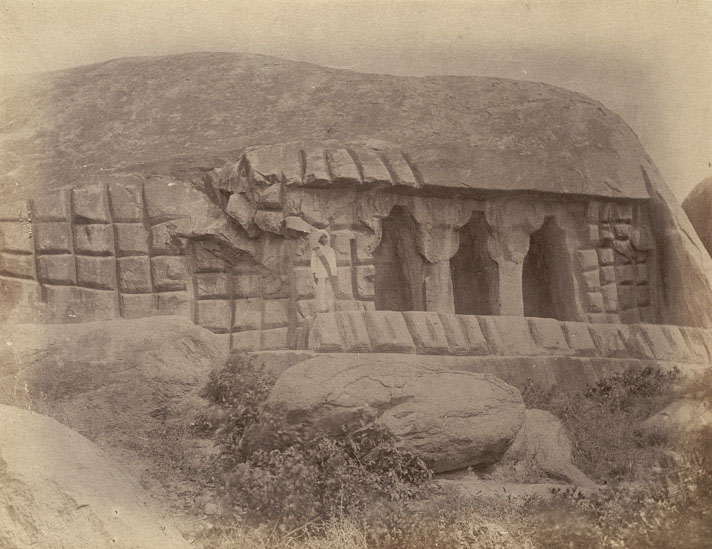
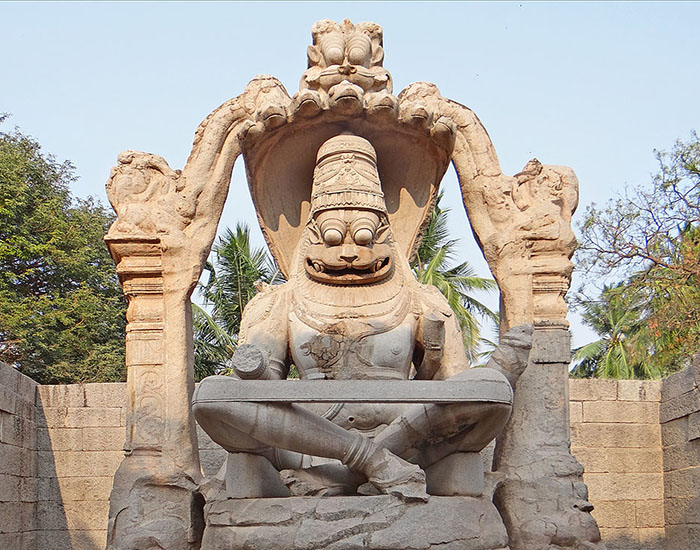
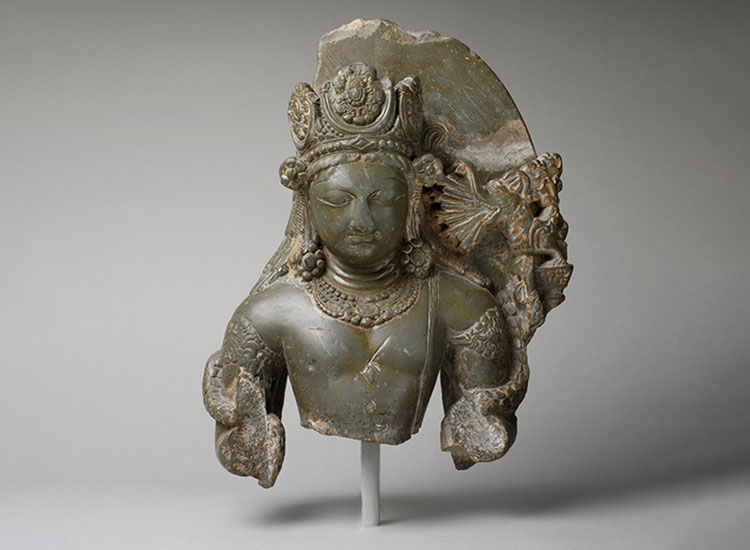
A sculpture or building made by cutting a single piece of rock into the desired shape is called a monolith. Monolithic architecture may be considered a subset of rock-cut architecture; it is carved internally and externally, while still attached to the surrounding landscape. Monolithic sculpture, however, may be separated from its original location and moved elsewhere, prime examples of which are the Lion Capital at Sarnath, the Gomateshvara statue at Shravanabelagola, Karnataka and the Ugra Narasimha statue at Hampi.
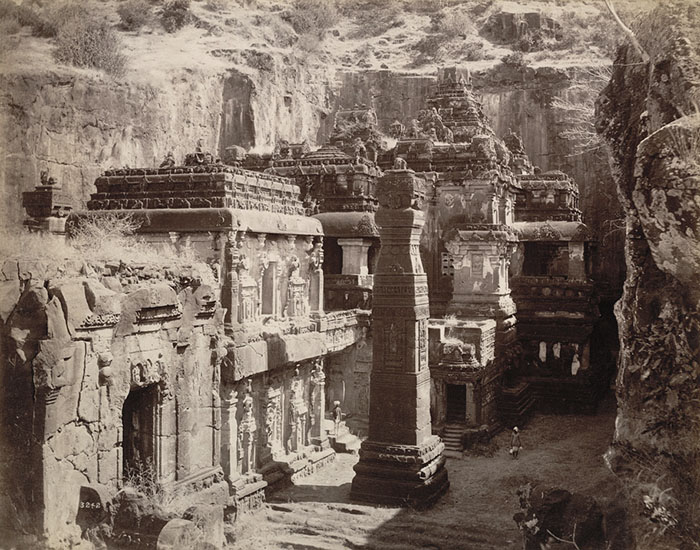
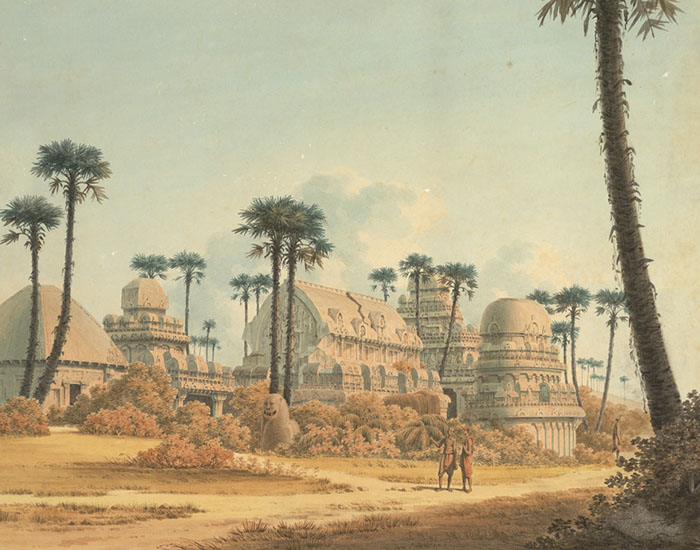
The decision to carve a living rock is widely assumed to have been based, at least partially, on convenience as evenly sized blocks did not have to be quarried and transported to the construction site. Another reason is spiritual; living rock architecture is seen to possess a connection to nature. The earliest example is the caves in the Barabar hills where Buddhist ascetics could take refuge from the weather since caves (even artificial ones) were considered an extension of the natural world as opposed to the material civilisation which the ascetics had disavowed. Such monolithic architecture has thus been reserved exclusively for ambitious religious buildings, such as the Pancha Rathas at Mahabalipuram and the Kailasanatha temple in Ellora.