-
ChicagoMaurya, Shrey. "What Rembrandt Learned from Mughal Miniatures." Impart Perspectives, August 23, 2021. https://imp-art.org/perspectives/dispatches/what-rembrandt-learned-from-mughal-miniatures/
-
MLAMaurya, Shrey. "What Rembrandt Learned from Mughal Miniatures." Impart Perspectives, Aug. 23, 2021, https://imp-art.org/perspectives/dispatches/what-rembrandt-learned-from-mughal-miniatures/. Accessed 16 Oct 2026.
-
HarvardMaurya, S. (2021) What Rembrandt Learned from Mughal Miniatures, Impart Perspectives. Available at: https://imp-art.org/perspectives/dispatches/what-rembrandt-learned-from-mughal-miniatures/ (Accessed: 16 October 2026).
What Rembrandt Learned from Mughal Miniatures
Rembrandt's drawings based on Mughal miniatures, which stayed largely true to the originals, reveals to us that the influence of the Mughal style of painting extended far beyond the subcontinent.
By Shrey Maurya
Link copied!
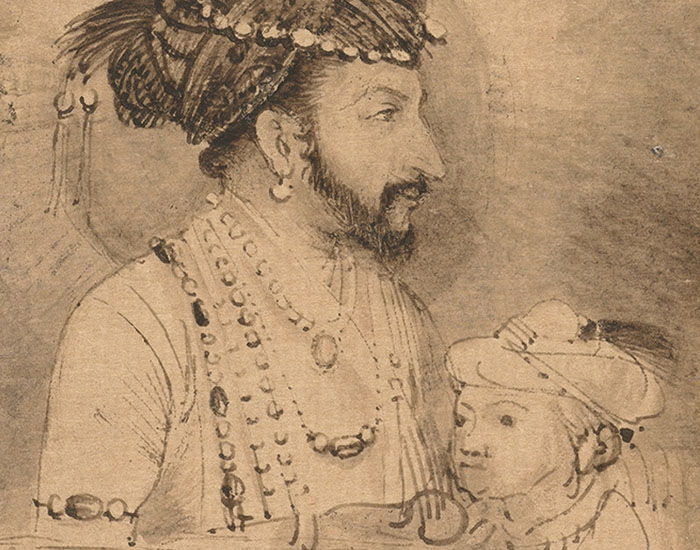
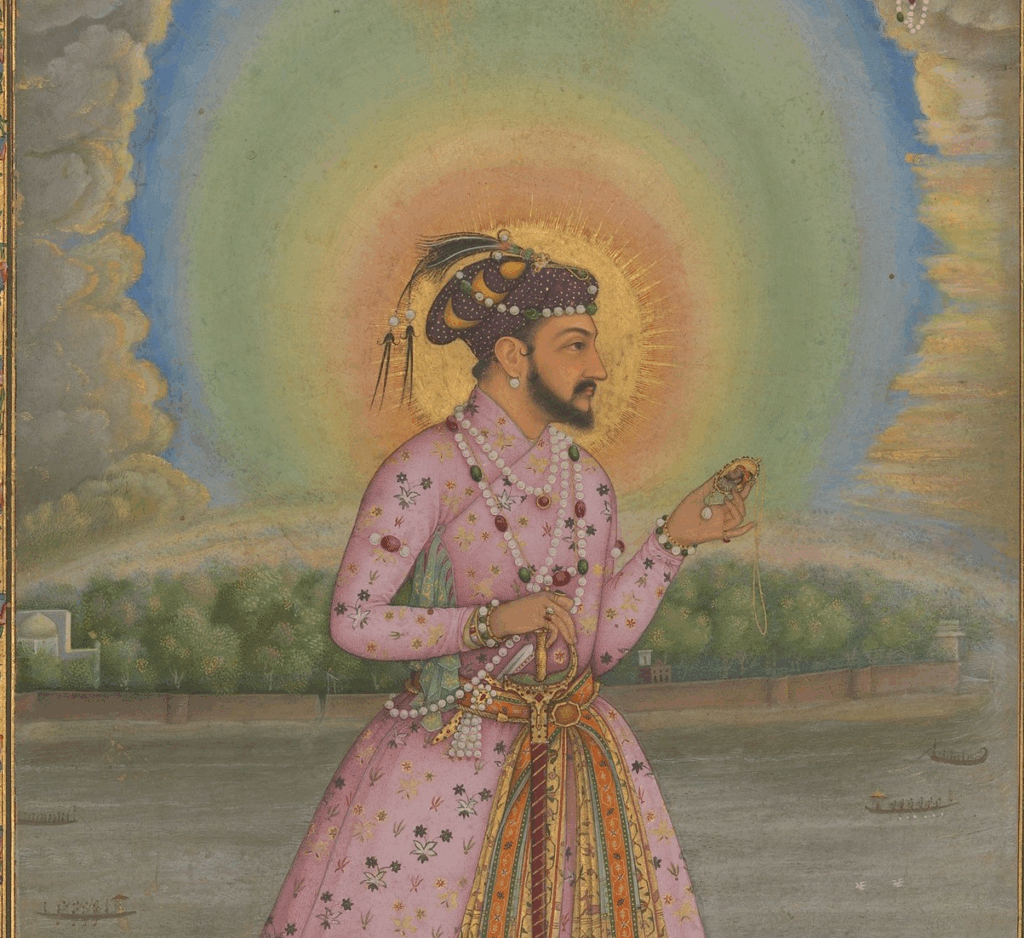
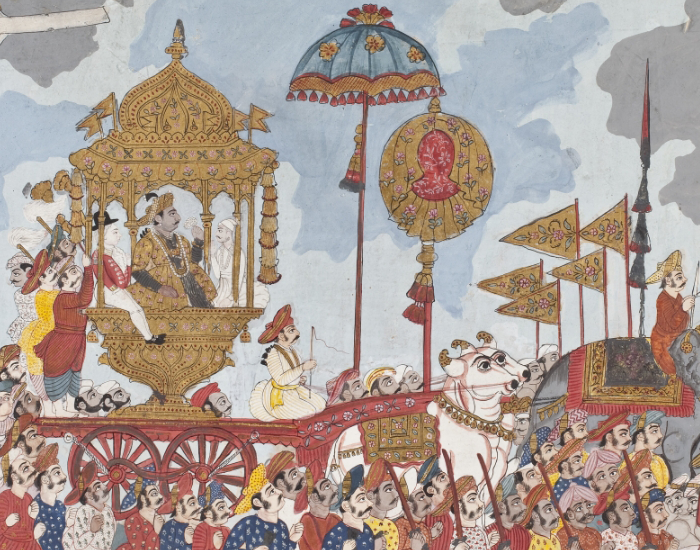
Master artist of the Dutch Golden Age, Rembrandt Harmenszoon Van Rijn, in the 1650s, produced a set of twenty-three drawings based on Mughal miniature paintings made in the early 1600s. These works, which include portraits of Shah Jahan, Jahangir, Dara Shikoh, and other Mughal courtiers, represent his most significant engagement with a non-Western art form and his largest set of copies of other works.
There are a total of twenty-three such drawings that survive and they are preserved in the collections of various museums across the world, including the British Museum, the Cleveland Museum of Art, the J. Paul Getty Museum and the Rijksmuseum as well as in private collections. These drawings are remarkable for they allow us to understand the incredible cross-country networks established by trade ships, which allowed an exchange of cultures to take place on a global scale.
Aside from being an artist and a teacher, Rembrandt was also a prolific collector and art dealer. In his personal kunstkammer (art room) he had collected works by many master artists from across the world, along with numerous specimens of animals and plants sourced from distant regions, including the Indian subcontinent. Scholars have long established that the painter turned to objects in his own collection as inspiration for his drawings — although it’s unclear whether he actually owned any of the miniature paintings in question.
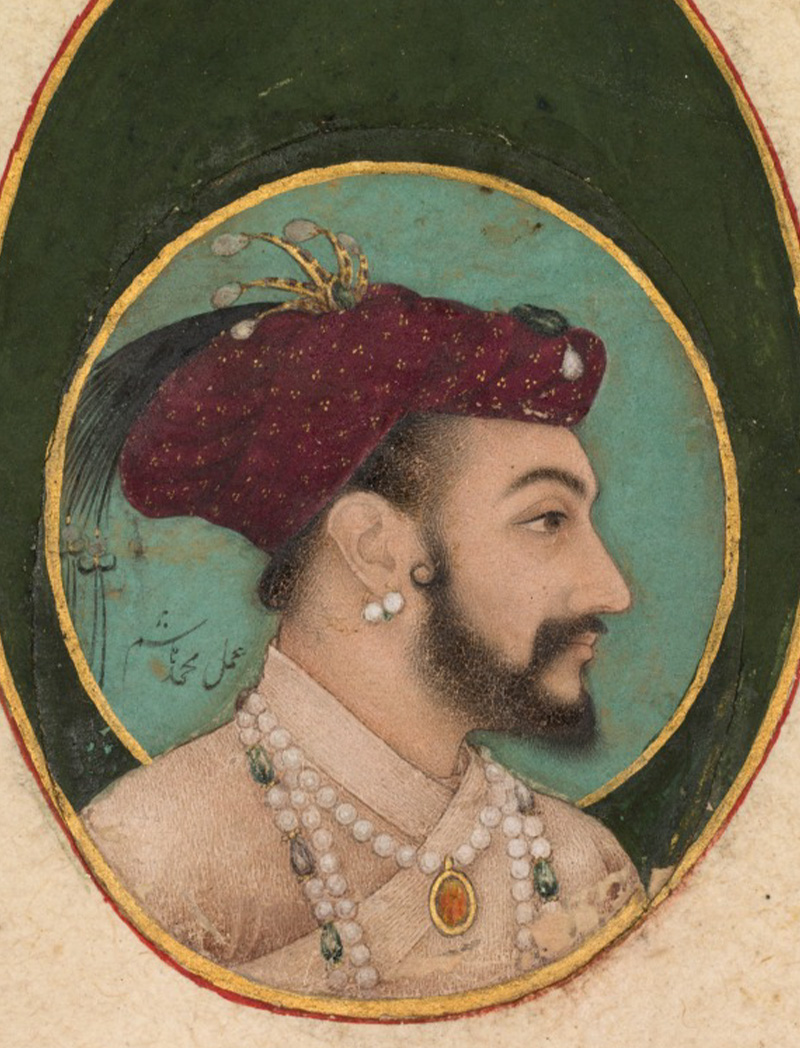
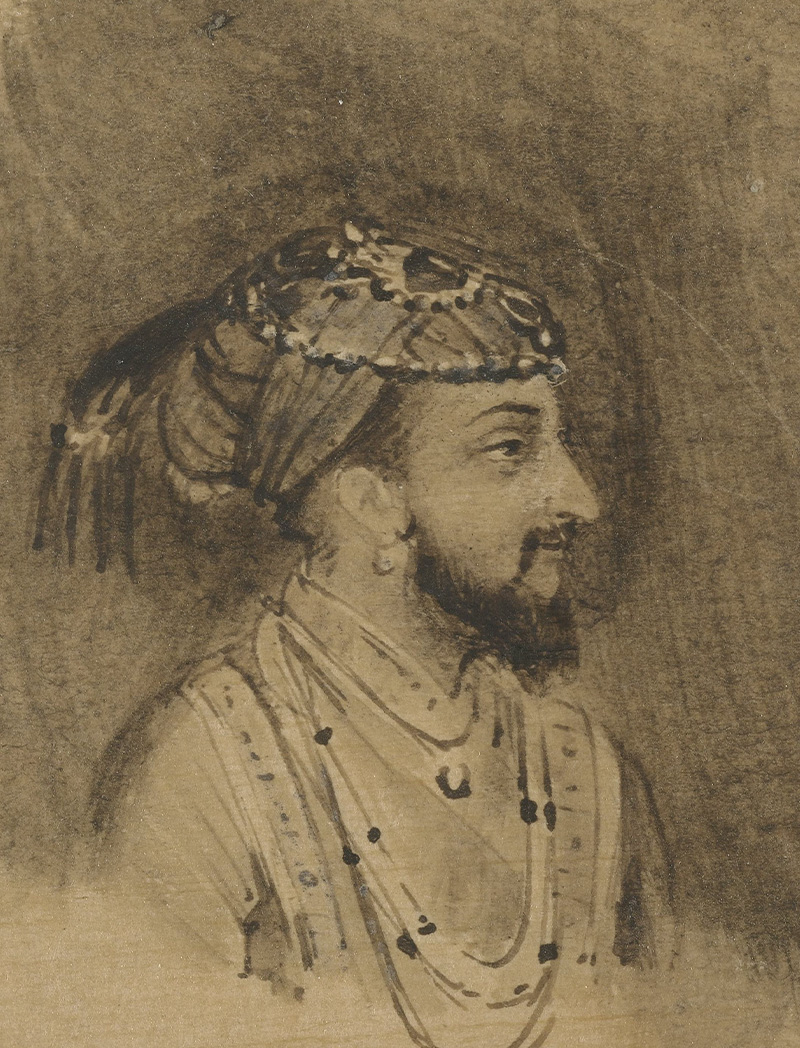
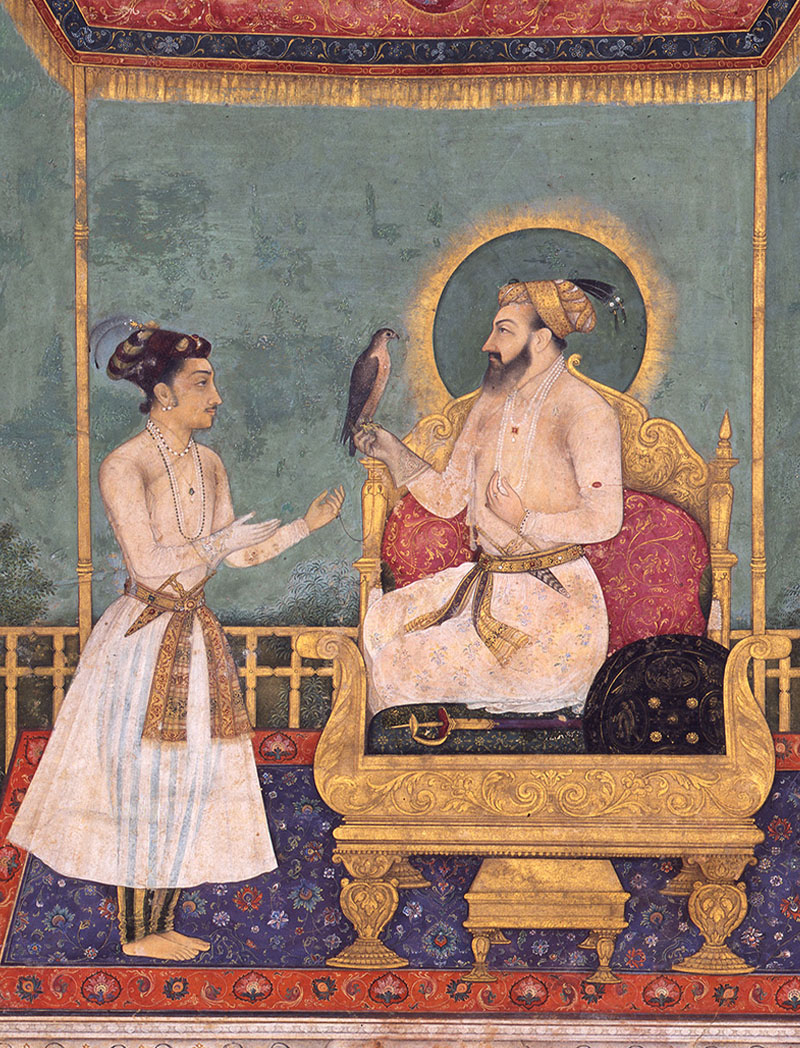
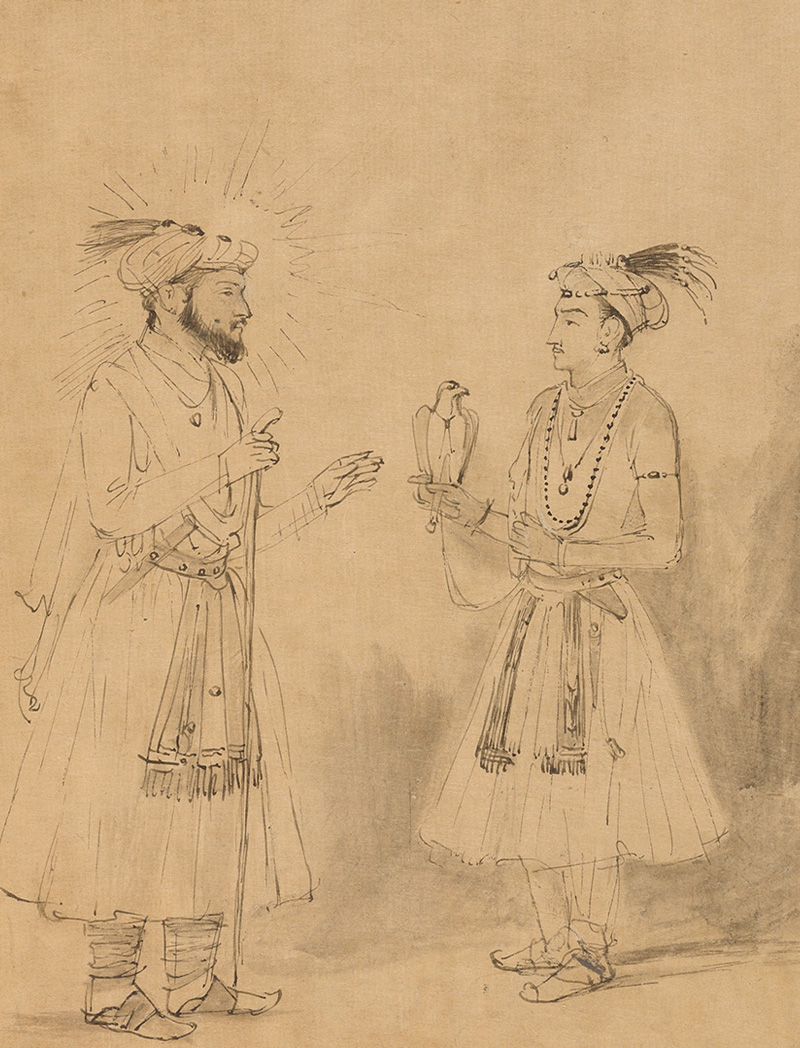
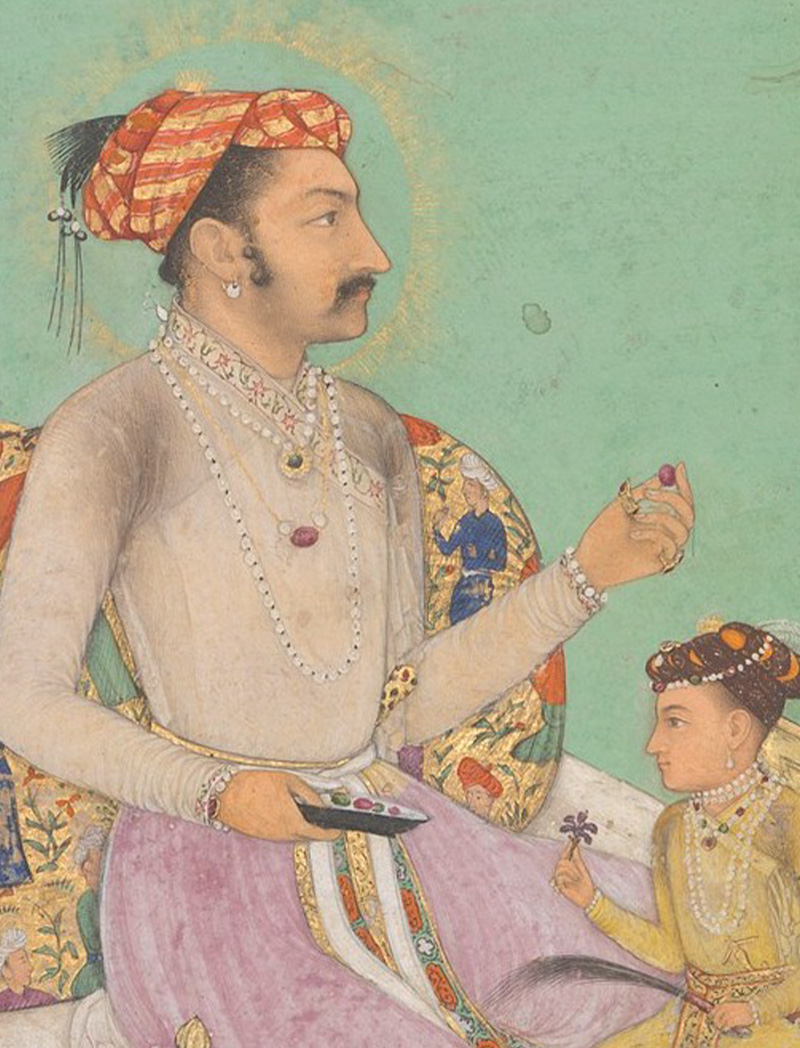
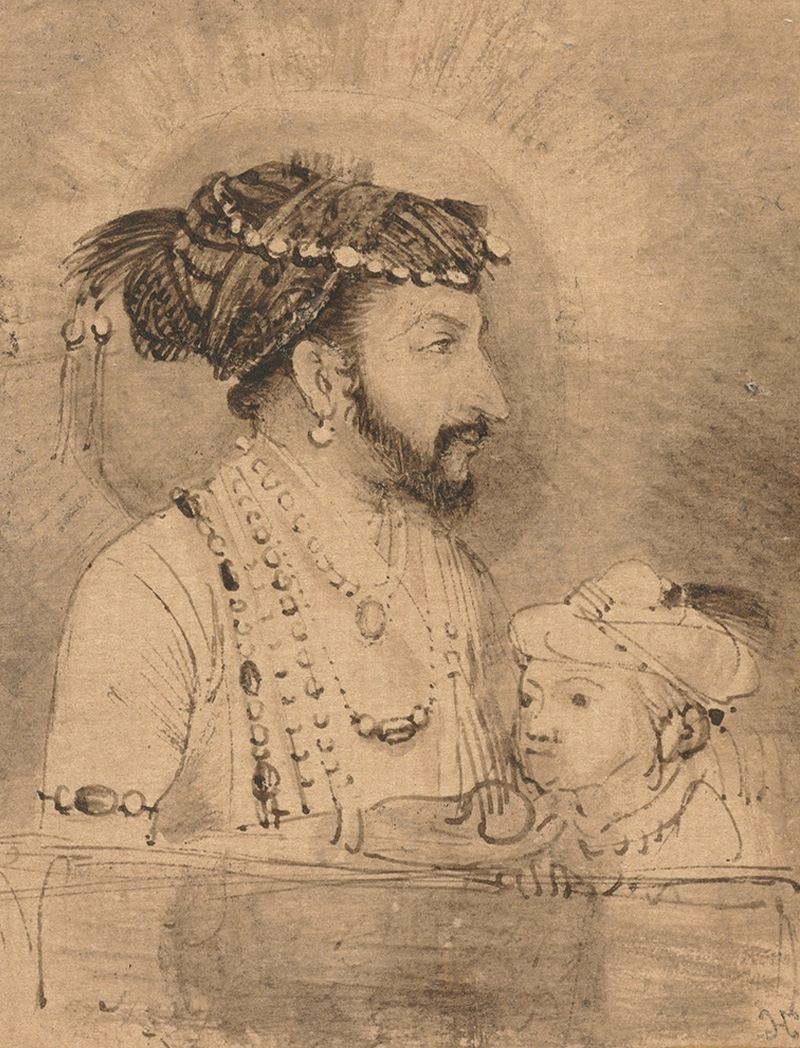
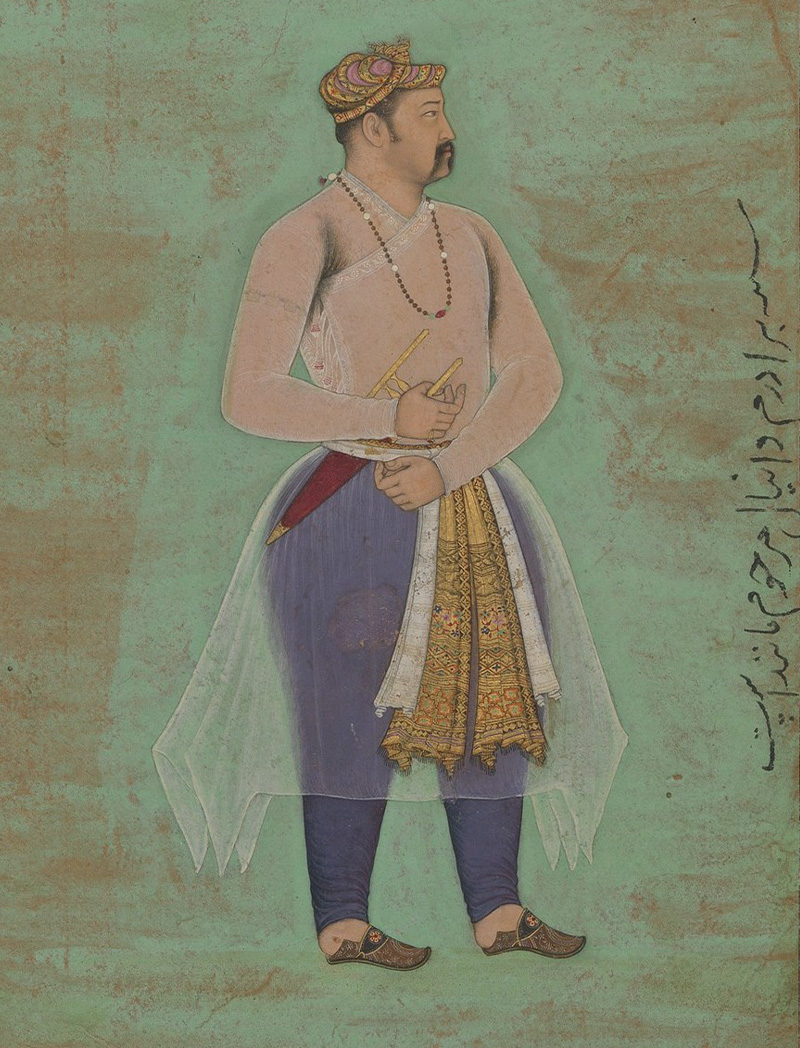
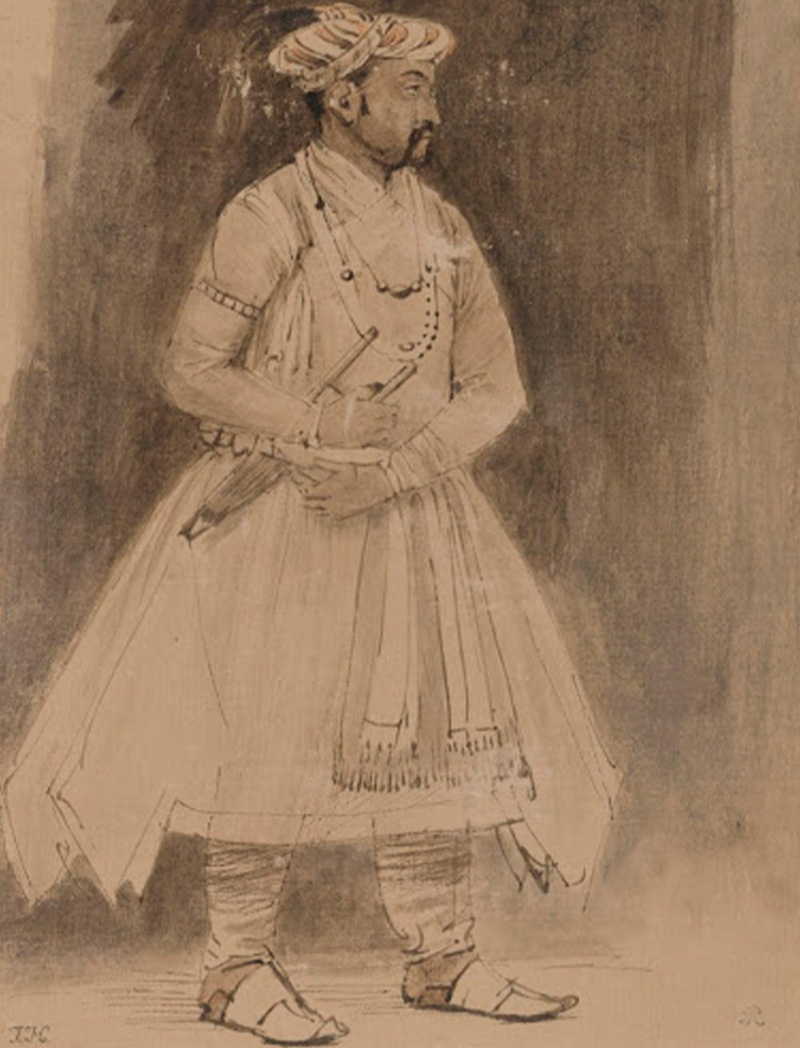
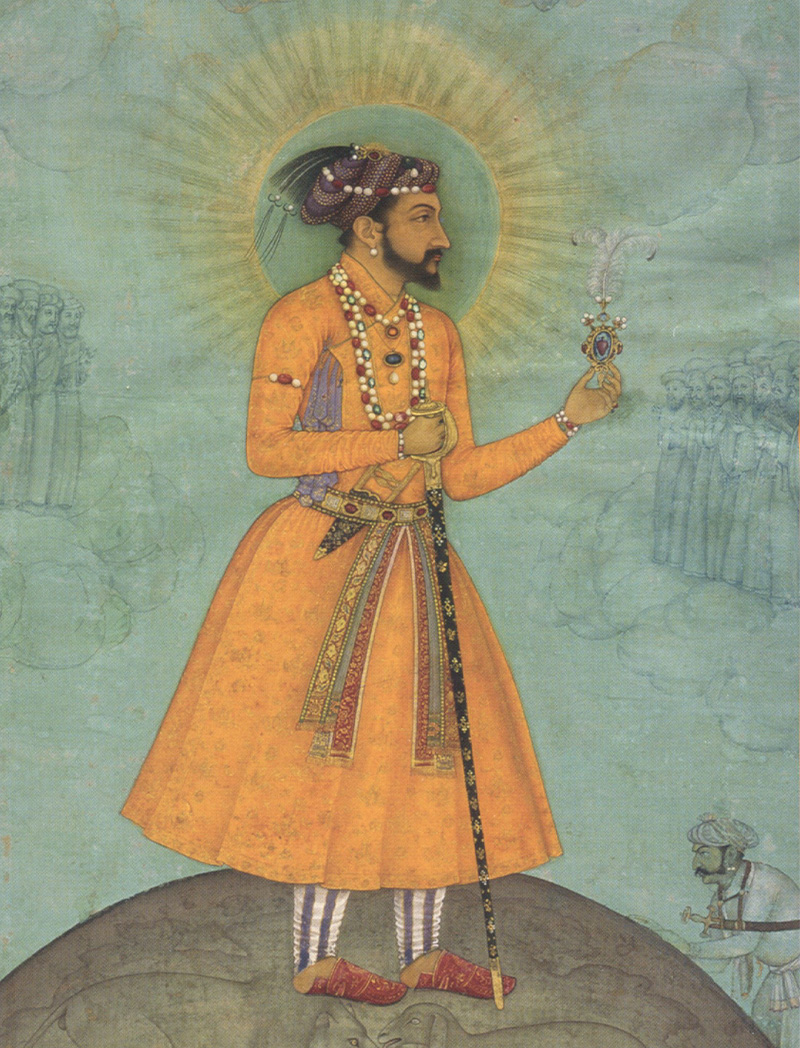
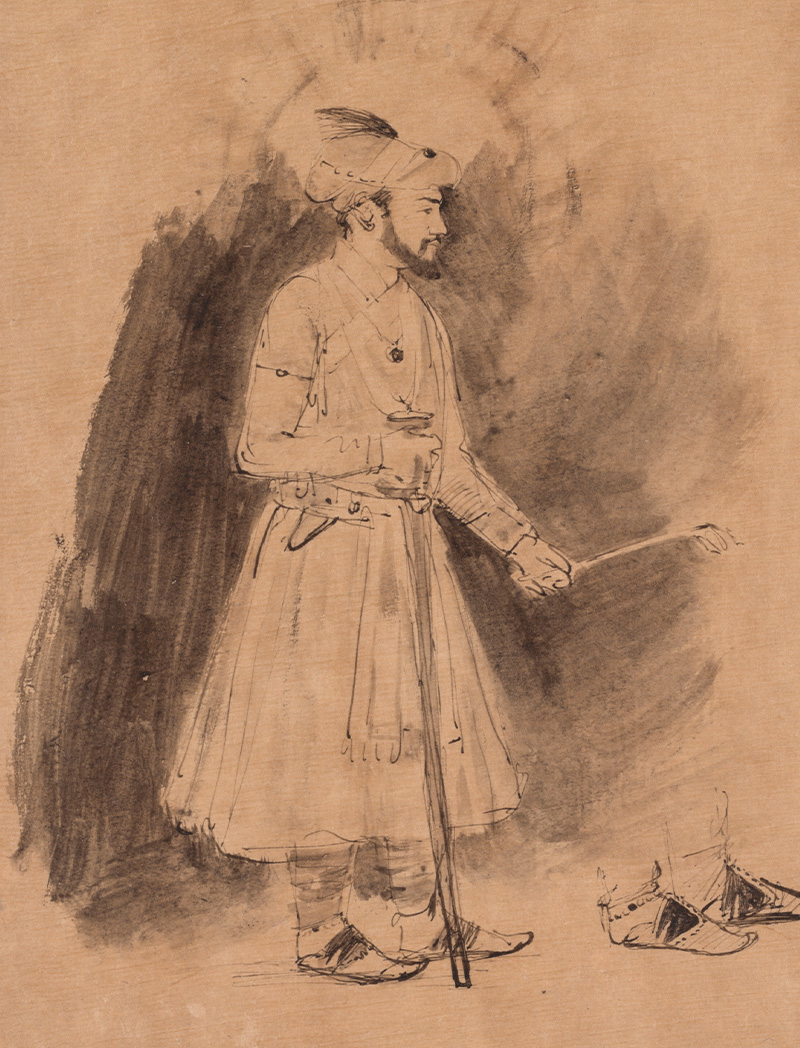
Rembrandt likely encountered the miniatures, as well as the expensive Japanese Torinoko paper on which his works have been drawn, in Amsterdam, where he lived. Amsterdam was a busy port city in the seventeenth century, and ships from across the world docked in its ports, bringing with them a diverse set of objects and works of art to be sold in the Dutch market. Perhaps the original Mughal miniatures arrived from the Dutch trading post in India. It’s also possible that he encountered the paintings in the collections of wealthy traders and various Dutch East India Company officials, who were his friends and often his clients.
Rendered in black ink, Rembrandt’s drawings paid close attention to the austerity of line deployed by the Indian originals and imitated the finest details in the jewellery, costumes and postures of the subjects. In some instances, he used an ink wash to duplicate the coloured backgrounds of the original portraits. In certain portraits, he gives the emperor a halo, a direct imitation of the halos employed by Mughal artists. A closer comparison reveals that Rembrandt stayed true to the originals’ compositions, while also introducing shading and perspective to his versions.
Today, the drawings stand as a reminder of the cross-cultural exchange bolstered by the Dutch East India Company’s maritime trade with Asia. Interestingly, Rembrandt’s drawings also present us with an interesting perspective on the flow of ideas between the East and the West. While it is well known that Mughal artists drew inspiration from European prints and artworks that were brought into the region by traders and officials arriving on the subcontinent’s shores, this set of sketches by a prolific Dutch master reveals to us that the influence of the Mughal style of painting was not limited to the region but extended far beyond the subcontinent.
First published: August 23, 2021