-
ChicagoMaurya, Shrey. "Offering Empathy: The Abhaya Mudra in South Asian Art." Impart Perspectives, June 30, 2021. https://imp-art.org/perspectives/dispatches/offering-empathy-the-abhaya-mudra/
-
MLAMaurya, Shrey. "Offering Empathy: The Abhaya Mudra in South Asian Art." Impart Perspectives, Jun. 30, 2021, https://imp-art.org/perspectives/dispatches/offering-empathy-the-abhaya-mudra/. Accessed 22 Sep 2026.
-
HarvardMaurya, S. (2021) Offering Empathy: The Abhaya Mudra in South Asian Art, Impart Perspectives. Available at: https://imp-art.org/perspectives/dispatches/offering-empathy-the-abhaya-mudra/ (Accessed: 22 September 2026).
Offering Empathy: The Abhaya Mudra in South Asian Art
The "abhaya mudra" is one of Buddhism's five most important gestures, and, undoubtedly, the most widely used — a gesture that dispels fear and bestows reassurances of safety, peace and benevolence.
By Shrey Maurya
Link copied!
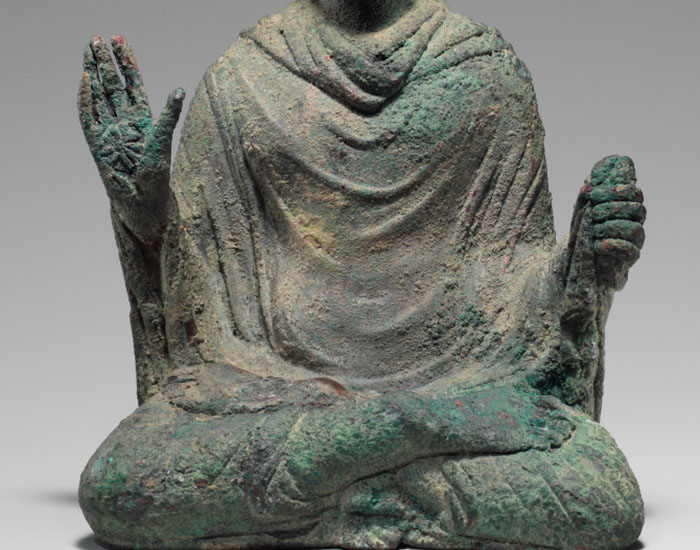
A Gandharan Shakyamuni Buddha dating to the first century, a Sri Lankan standing Buddha dating to the tenth century and a Tibetan Buddha Amoghasiddhi belonging to the twelfth century, all have one thing in common — the right hand is raised in what is known as the abhaya mudra, a gesture of extending compassionate protection to the devotee. The word abhaya directly translates to fearlessness, and the gesture dispels fear and bestows reassurances of safety, peace and benevolence. Most scholars believe that this particular mudra was used even before the onset of Buddhism, as a symbol of good intentions and a proposal of friendship, when approaching strangers.
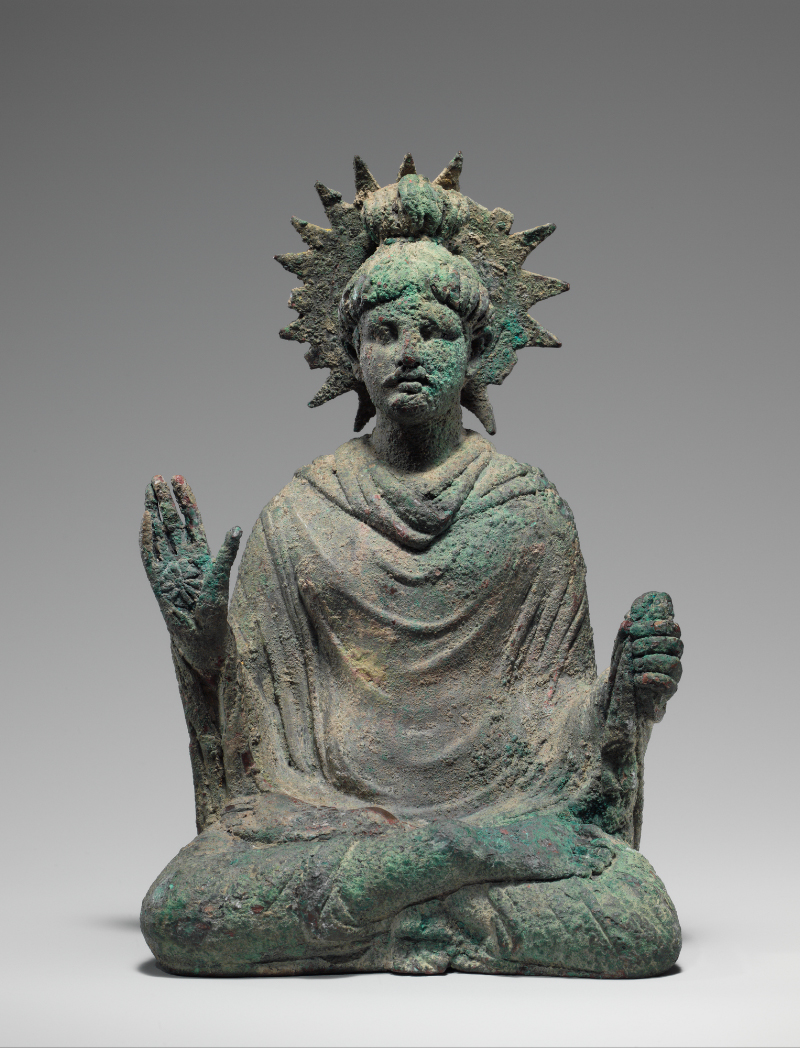
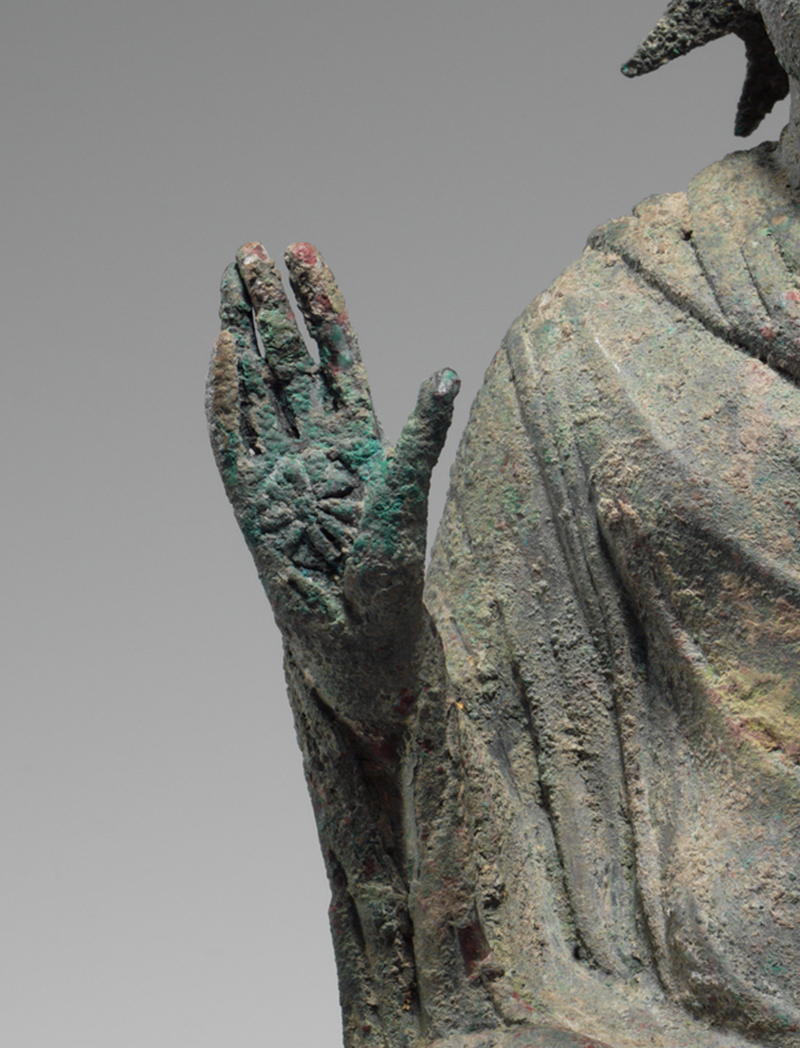
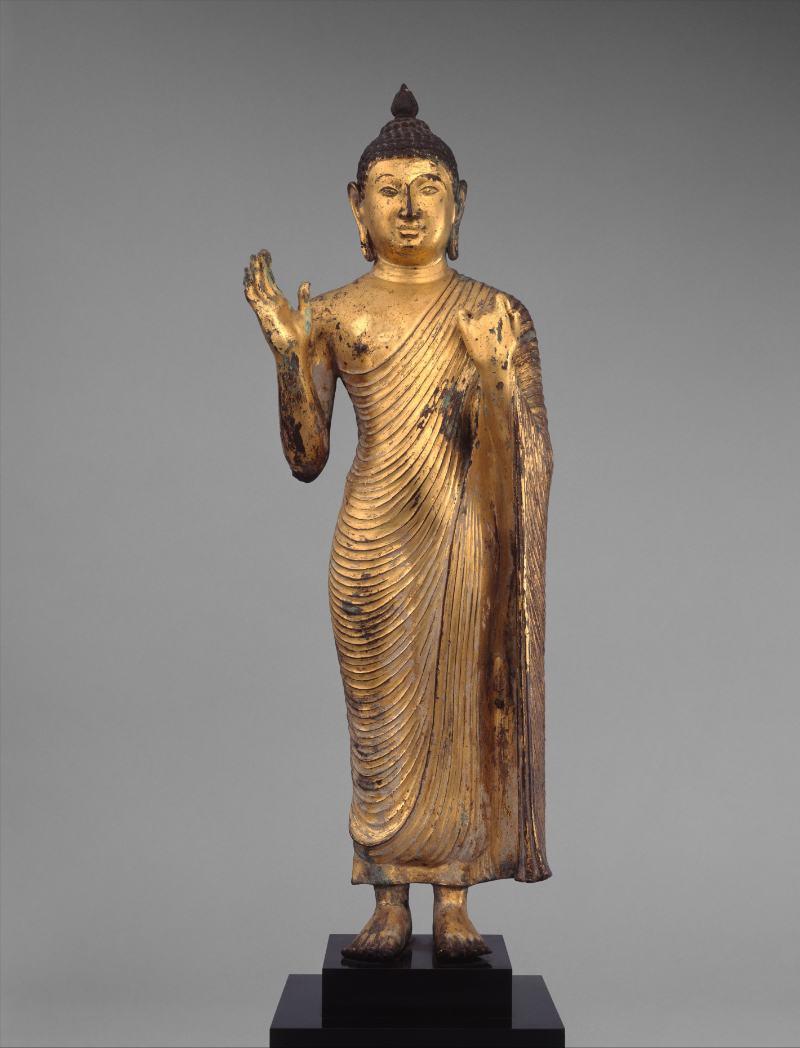
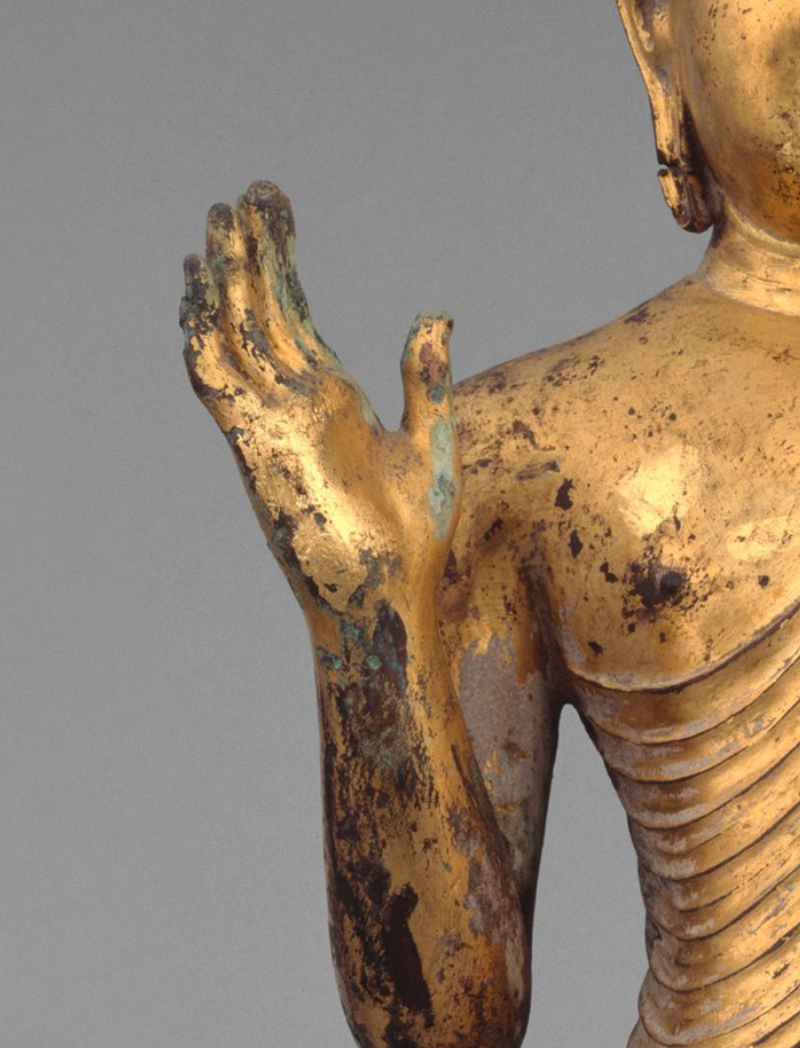
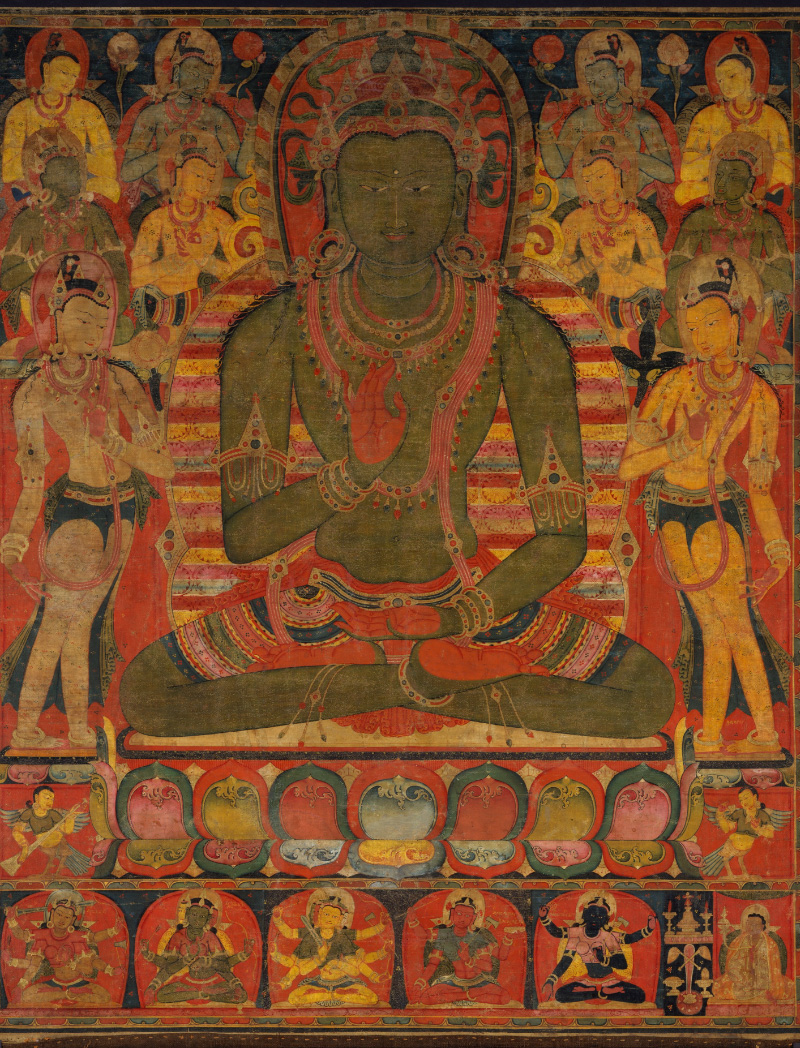
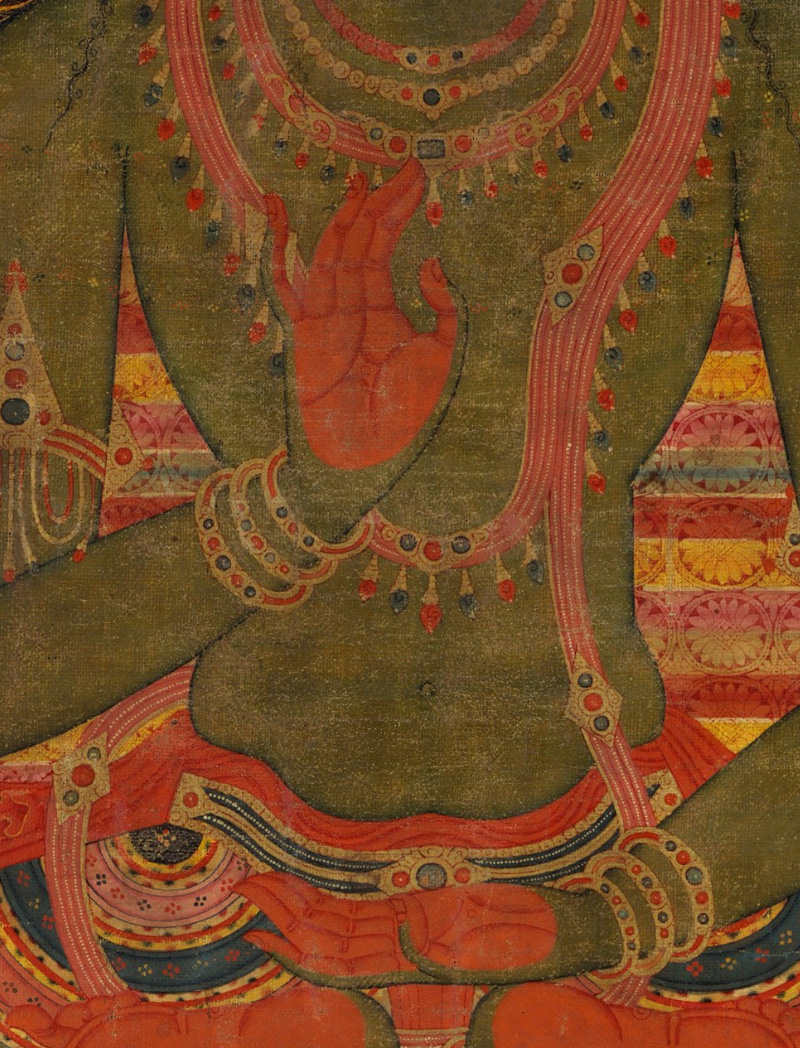
One of Buddhism’s five important mudras or gestures, the abhaya mudra is one of the most widely used symbolic and ritual gestures. It is also found in Hinduism, Jainism, Buddhism and Sikhism and appears in depictions of deities, saints and great teachers.
First published: June 30, 2021