-
ChicagoMaurya, Shrey. "Of Shiva or Ravana?: The Origins of Rudra Veena." Impart Perspectives, June 30, 2021. https://imp-art.org/perspectives/dispatches/of-shiva-or-ravana-the-origins-of-rudra-veena/
-
MLAMaurya, Shrey. "Of Shiva or Ravana?: The Origins of Rudra Veena." Impart Perspectives, Jun. 30, 2021, https://imp-art.org/perspectives/dispatches/of-shiva-or-ravana-the-origins-of-rudra-veena/. Accessed 20 Oct 2026.
-
HarvardMaurya, S. (2021) Of Shiva or Ravana?: The Origins of Rudra Veena, Impart Perspectives. Available at: https://imp-art.org/perspectives/dispatches/of-shiva-or-ravana-the-origins-of-rudra-veena/ (Accessed: 20 October 2026).
Of Shiva or Ravana?: The Origins of Rudra Veena
In one mythological tale, Ravana, the king of Lanka, built the rudra veena to pay homage to his beloved deity Shiva, while another claims Shiva, also known as "Rudra," created the instrument himself.
By Shrey Maurya
Link copied!
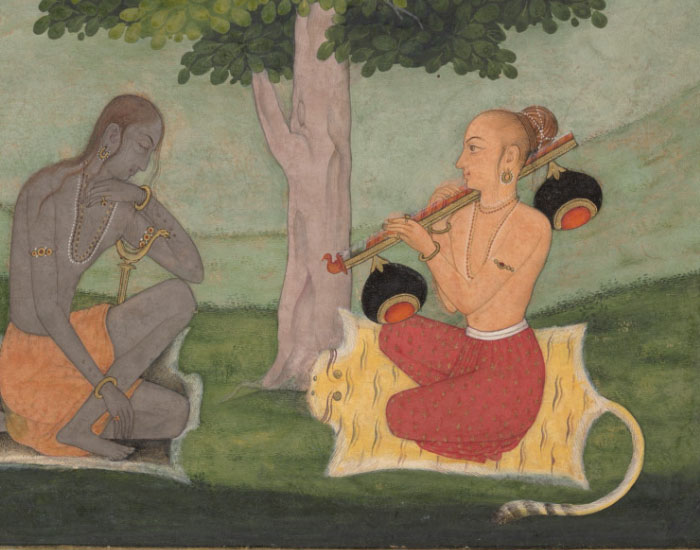
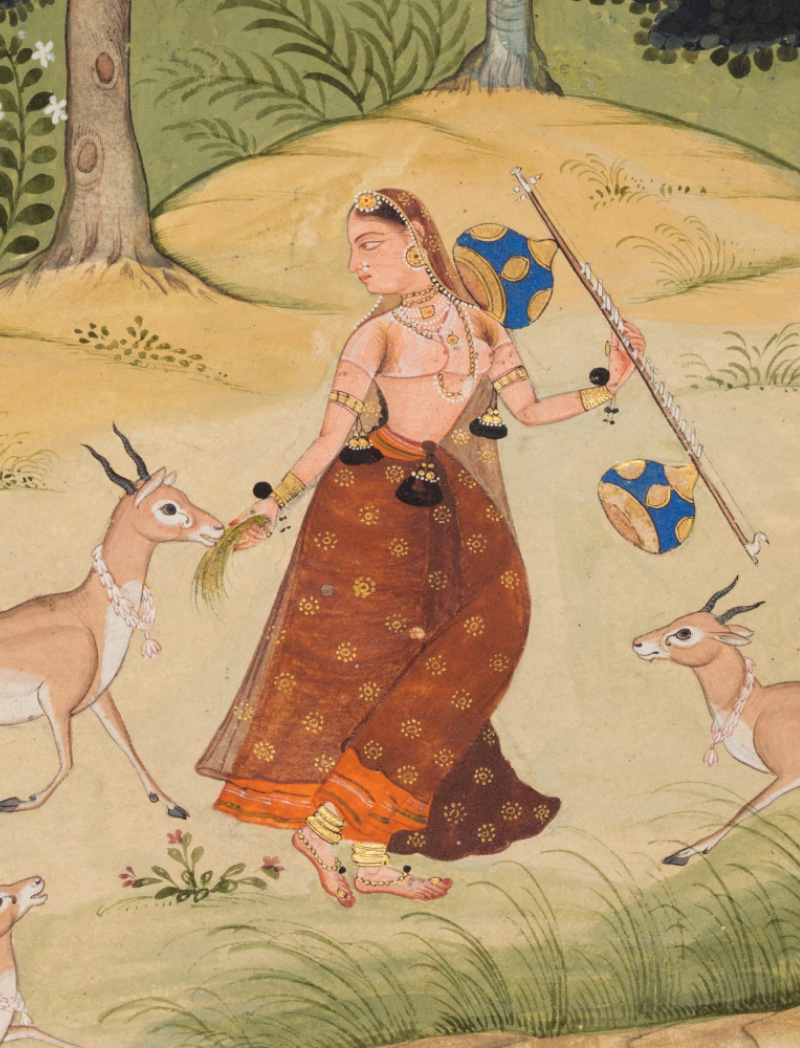
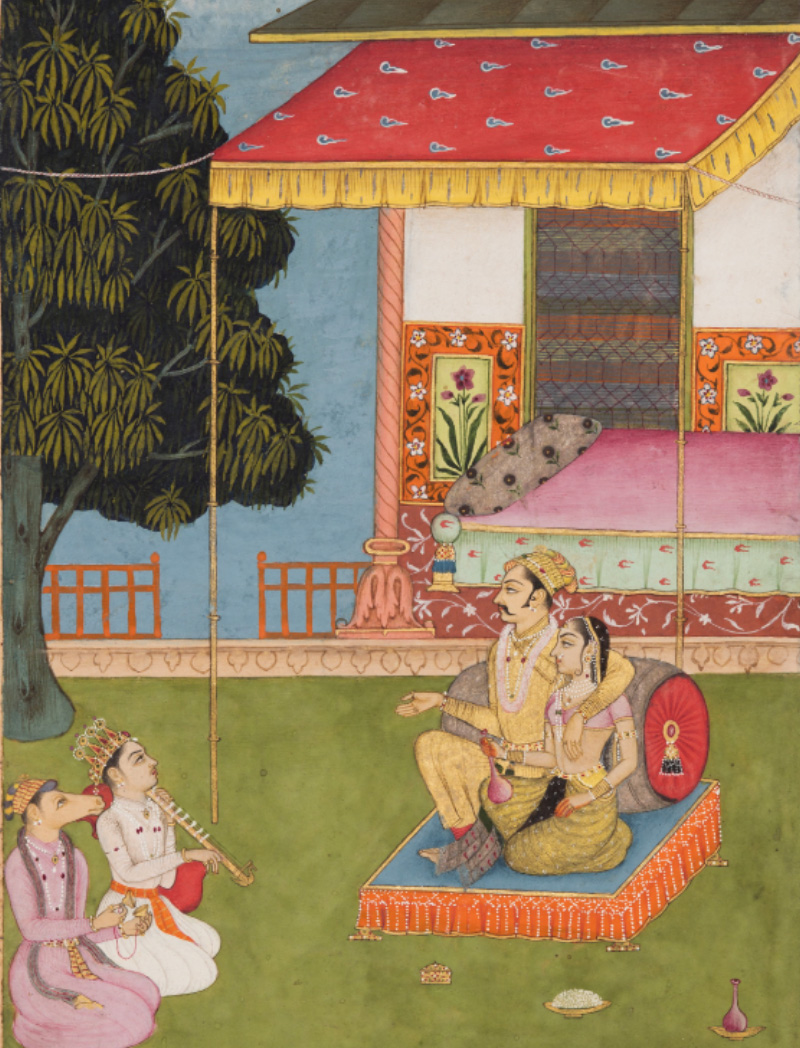
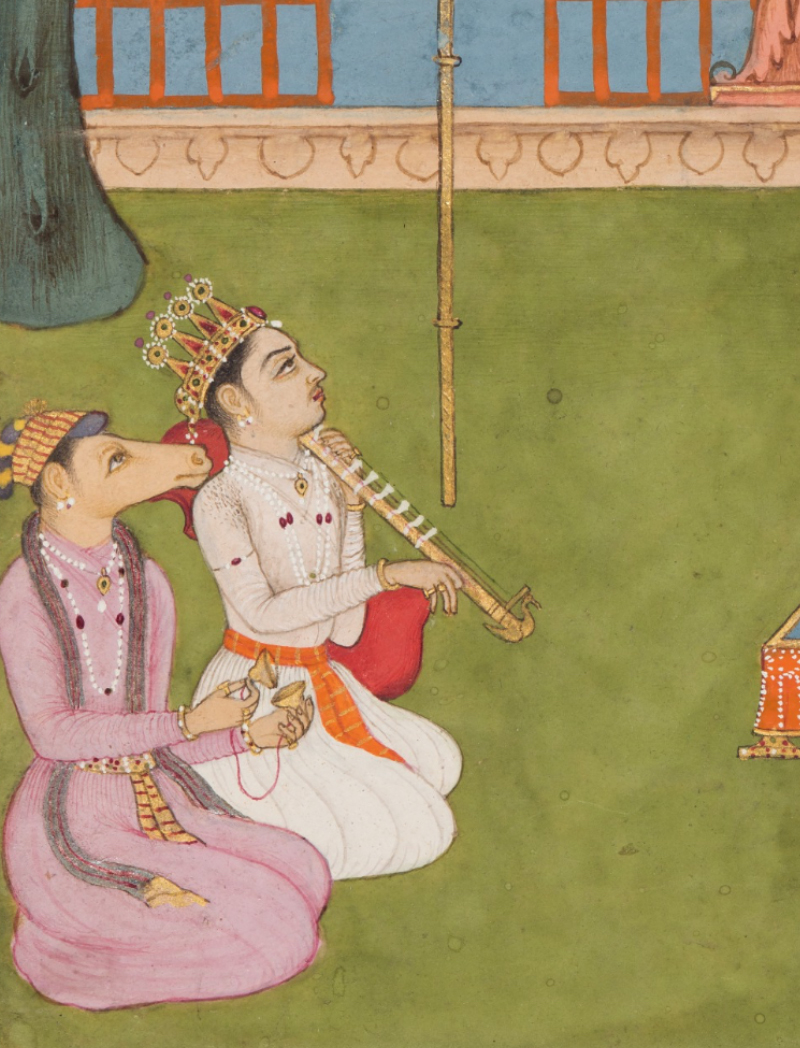
An ancient musical instrument, Rudra veena has appeared most popularly in numerous ragamala paintings, where both men and women are shown playing the instrument. A stick zither belonging to the greater family of veena and associated with the Dhrupad genre of Hindustani classical music, Rudra veena originated in northern India and is named after the Hindu god Shiva, who is also known as Rudra. Some believe that the mythological king of Lanka, Ravana, built this veena to pay homage to his beloved deity and named it after him. Another story posits that Shiva himself created the instrument, inspired by the beauty of Parvati, his consort.
The globular resonators on either end of the Rudra veena are made of dried gourds and the connecting tubular body is made of wood that has twenty-four raised wooden frets. It takes over six months to create one and they are therefore not only rare but also priced at extremely high rates.
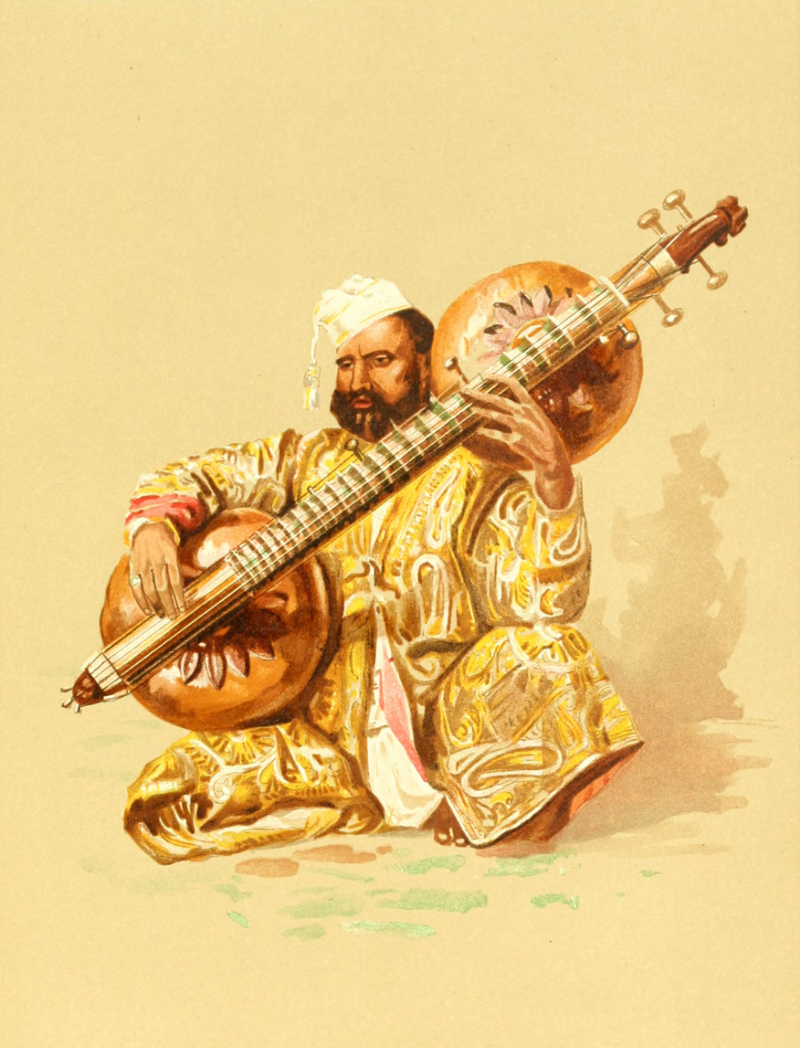
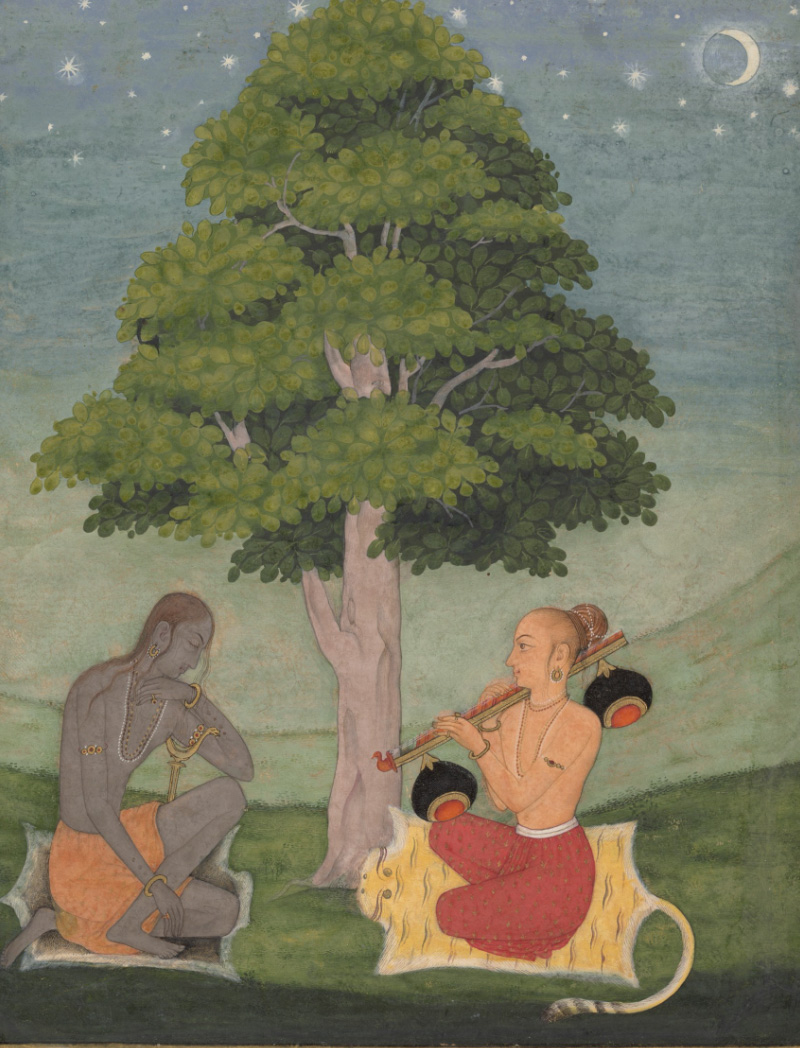
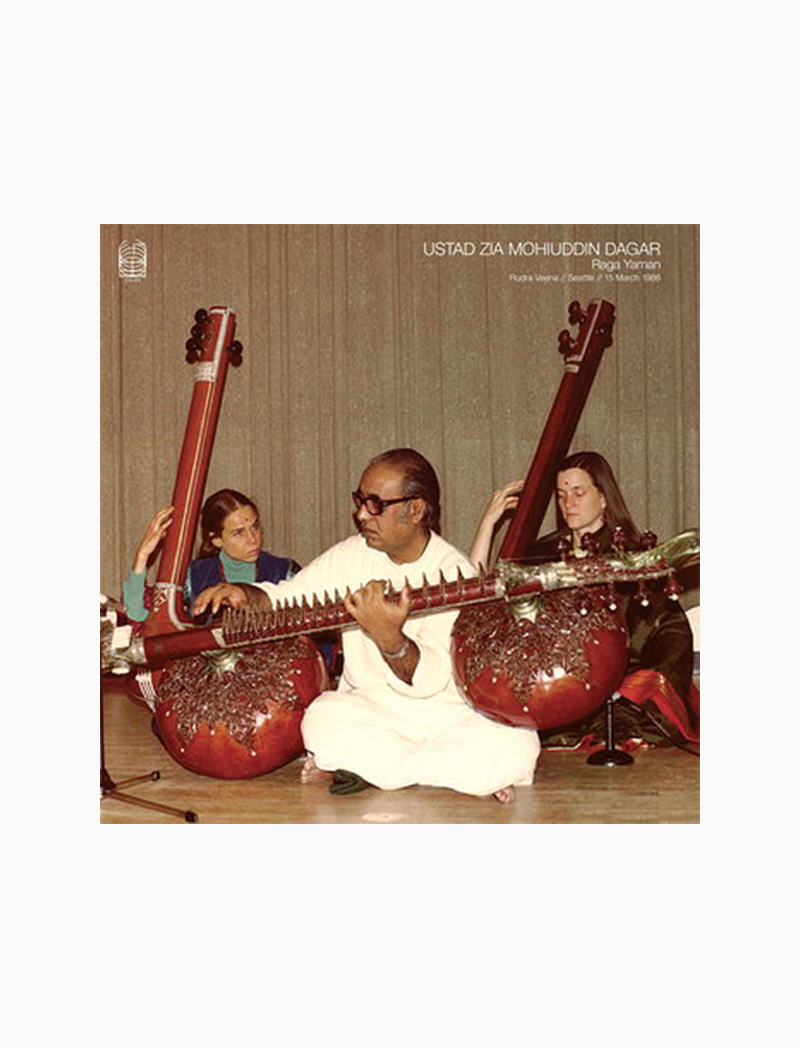
The Rudra veena was a popular and important instrument, especially in aristocratic court music. Towards the beginning of the nineteenth century, its popularity declined with the introduction of the surbahar, the sitar, and the rise of the Khayal genre of Hindustani music. A maestro of the instrument, Ustaad Zia Mohiuddin Dagar is credited with the revival of the Rudra veena as a solo instrument to be played in concerts. The recordings of another master player, Dattatreya Rama Rao Parvatikar, are now part of the UNESCO Collection of Traditional Music of the World. However, very few Rudra veena ustaads (maestros) remain, as the instrument is notoriously difficult to master.
First published: June 30, 2021